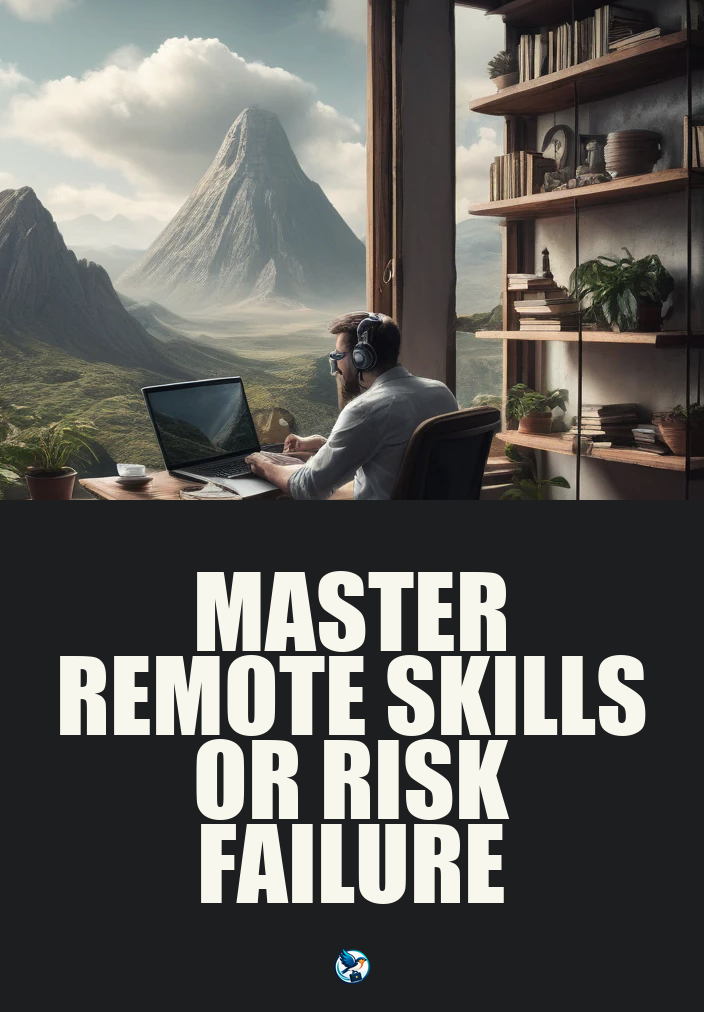
Understanding the Skills Needed for a Successful Career Change in Remote Work
Transitioning to a remote job can be an exciting yet daunting experience, especially if you’re considering a complete career change. The landscape of work has evolved, and with it, the skills needed to thrive in a remote setting have become crucial. Identifying and developing the right skills can significantly enhance your prospects in this new work environment.
Core Skills for Remote Workers
To make a successful career change, there are several core skills you should focus on. These skills not only help you adapt to remote work but also make you a valuable asset in any profession.
1. Effective Communication
In a remote work environment, clear communication is essential. Without face-to-face interactions, misunderstandings can easily arise. Here are some ways to improve your communication skills:
- Practice Active Listening: Focus on understanding the speaker’s message before responding. This can help reduce miscommunication.
- Enhance Your Writing Skills: Since much of remote communication occurs via email or messaging platforms, clear and concise writing is vital.
- Use Video Conferencing Tools: Familiarize yourself with tools that facilitate virtual meetings. Practice speaking clearly and confidently during calls.
2. Time Management
Remote work often means more flexibility, but it also requires strong self-discipline. Consider these strategies to enhance your time management skills:
- Create a Schedule: Develop a daily routine that outlines your tasks and breaks. Stick to it as closely as possible.
- Set Priorities: Use methods like the Eisenhower Box to differentiate between urgent and important tasks.
- Utilize Productivity Tools: Explore apps that help you track your time and tasks, such as to-do lists or project management platforms.
3. Technical Proficiency
Technical skills are increasingly vital in remote work. Depending on your field, you may need to develop specific skills. Here are some general areas to focus on:
- Familiarity with Collaboration Tools: Learn how to use tools like project management software, cloud storage, and communication platforms.
- Basic IT Skills: Understand common troubleshooting techniques for software and hardware issues.
- Industry-Specific Software: Identify and get comfortable with software relevant to your desired career, whether it’s design tools, coding languages, or data analysis programs.
Soft Skills that Matter in Remote Work
Beyond the technical skills, soft skills play a vital role in a successful remote career. Here are some key soft skills to develop:
1. Adaptability
The ability to adapt is crucial in a remote setting where changes can happen quickly. Consider these tips to enhance your adaptability:
- Embrace Change: Stay open to new tools, processes, or team dynamics.
- Seek Feedback: Regularly ask for constructive criticism from colleagues to identify areas for improvement.
2. Emotional Intelligence
Understanding and managing your emotions, as well as recognizing emotions in others, can improve team collaboration. To develop your emotional intelligence:
- Practice Empathy: Try to understand the perspectives of your teammates.
- Reflect on Your Reactions: Take time to consider how your emotions affect your work and interactions.
3. Problem-Solving
In remote work, you’ll encounter challenges that require creative solutions. To bolster your problem-solving abilities:
- Analyze Problems Thoroughly: Break down issues into smaller parts to understand them better.
- Brainstorm Solutions: Don’t hesitate to think outside the box; consider multiple solutions before deciding.
How to Develop These Skills
Now that you know which skills are essential, how can you develop them? Here are some practical steps:
- Online Courses: Many platforms offer courses focused on specific skills. Consider taking courses related to communication, time management, or technical skills.
- Networking: Connect with professionals in your desired field. Engaging in conversations can provide insights and tips on necessary skills.
- Practice: Apply your skills in real-world scenarios. Join online communities, volunteer for projects, or freelance to gain experience.
Next Steps for Your Career Change
Making a successful career change to remote work is a journey that requires strategic planning and the development of essential skills. Start by assessing your current skill set and identifying gaps. Create a plan to improve those skills through online courses, networking, and practical experience.
Remember, transitioning to a new career takes time and persistence. Stay committed, and don’t hesitate to seek help from mentors or peers. With the right skills and mindset, you can successfully navigate your career change and thrive in a remote work environment.