Understanding the Importance of Skill Development for Remote Work
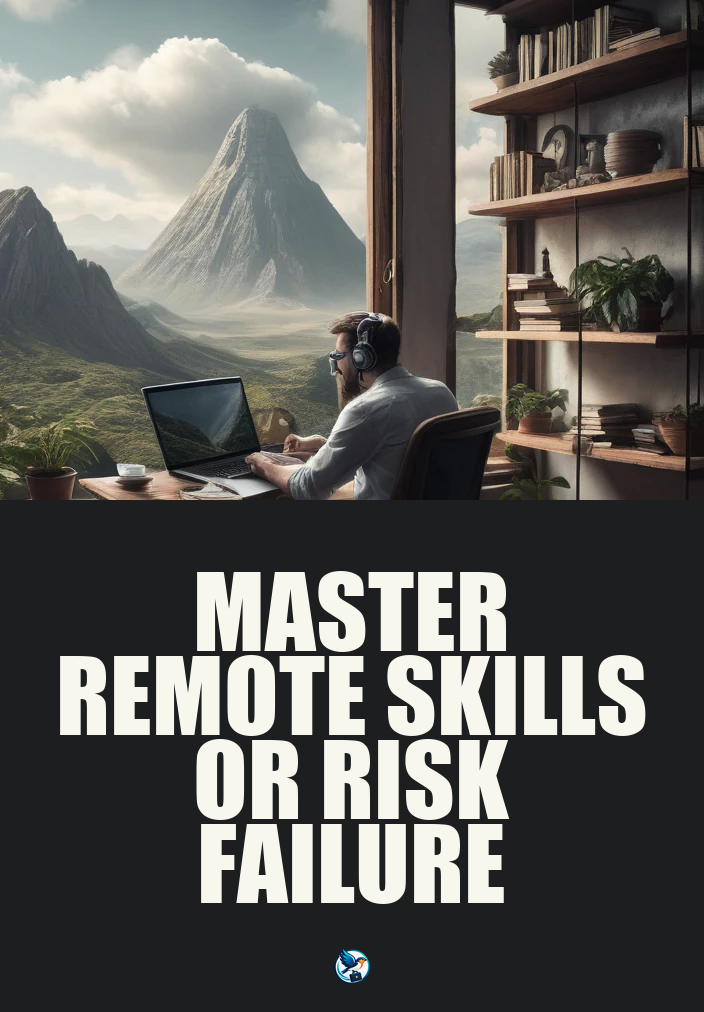
As remote work becomes increasingly popular, developing the right skills is essential for success. However, many individuals stumble in their journey due to common pitfalls. Recognizing these missteps can help you navigate the remote work landscape more effectively. Here, we’ll explore some of the most frequent mistakes to avoid when honing your skills for remote positions.
Neglecting Essential Communication Skills
In a remote work environment, communication is the lifeblood of collaboration. Many people underestimate its importance, leading to misunderstandings and inefficiencies. Here’s how to ensure effective communication:
- Use the Right Tools: Familiarize yourself with different communication platforms—video calls, chat applications, and project management tools. Each has its strengths and weaknesses.
- Practice Clarity: Be concise in your messages. Avoid jargon and ensure your points are easily understood.
- Be Proactive: Don’t wait for others to reach out. Regularly check in with colleagues, ask for feedback, and offer assistance.
Underestimating Tech Skills
Many remote jobs require a certain level of technical proficiency. Failing to keep your tech skills updated can hinder your ability to work effectively. Consider the following:
- Identify Necessary Tools: Research the common software and tools used in your field. This might include specific coding languages, design software, or data analysis tools.
- Take Online Courses: There are numerous resources available to help you learn new technologies. Invest time in online courses, webinars, or tutorials.
- Practice Regularly: Hands-on experience is invaluable. Create projects or simulations to apply what you’ve learned.
Failing to Establish a Routine
One of the biggest challenges of remote work is managing your time effectively. Many people find it hard to separate work from personal life, leading to burnout. Here are some tips for establishing a productive routine:
- Set Specific Work Hours: Define when you’ll start and finish your workday. Stick to these hours as much as possible.
- Create a Dedicated Workspace: If possible, designate a specific area in your home for work. This helps signal to your brain that it’s time to focus.
- Take Regular Breaks: Schedule short breaks to recharge. This can improve your productivity and mental well-being.
Ignoring Networking Opportunities
Networking is crucial, even in a remote work environment. Many people neglect this aspect, assuming they won’t meet others in person. Here’s how to cultivate your professional network remotely:
- Join Online Communities: Participate in forums and groups related to your industry. This can be on social media or dedicated platforms.
- Attend Virtual Events: Look for webinars, workshops, or virtual conferences where you can learn and connect with others.
- Engage with Colleagues: Don’t hesitate to reach out to coworkers or industry peers for informational interviews or collaborative projects.
Not Setting Clear Goals
Without clear goals, it’s easy to drift aimlessly in your career development. Here’s how to set effective goals:
- Define Your Objectives: What skills do you want to develop? What roles are you aiming for? Write down your objectives to give yourself a clear direction.
- Break Goals into Actionable Steps: For each goal, outline the steps needed to achieve it. This could include specific courses to take or skills to practice.
- Regularly Review Progress: Set a schedule to assess your progress. Adjust your goals as necessary based on what you’ve learned.
Overlooking Soft Skills
While technical skills are important, soft skills are equally valuable in remote work. Here’s what to focus on:
- Adaptability: Be open to changes. Remote work often requires you to adjust your methods and strategies quickly.
- Self-Motivation: Cultivate the ability to work independently. Set personal challenges to keep yourself motivated.
- Emotional Intelligence: Work on your ability to understand and manage your emotions, as well as those of others.
Neglecting Work-Life Balance
Working from home can blur the boundaries between personal and professional life. Failing to prioritize work-life balance can lead to burnout. Here’s how to maintain balance:
- Establish Boundaries: Communicate your working hours to family and friends to minimize interruptions.
- Engage in Hobbies: Make time for activities you enjoy outside of work. This helps you recharge.
- Practice Mindfulness: Incorporate mindfulness techniques, such as meditation or deep-breathing exercises, into your daily routine.
Conclusion: Mapping Your Path Forward
Developing skills for remote work requires a thoughtful approach. By avoiding these common pitfalls, you can enhance your professional skill set and position yourself for success in the remote job market. Remember to focus on communication, technical skills, networking, and maintaining a healthy work-life balance.
Next Steps for Skill Development
To further your journey into remote work, consider these actionable steps:
- Identify two or three skills you want to develop and research relevant resources.
- Create a weekly schedule that includes time dedicated to skill development.
- Join an online community related to your field and engage with others.
With these strategies in place, you’ll be better equipped to navigate the remote work landscape and achieve your career goals.