Understanding the Key Skills for Successful Remote Work
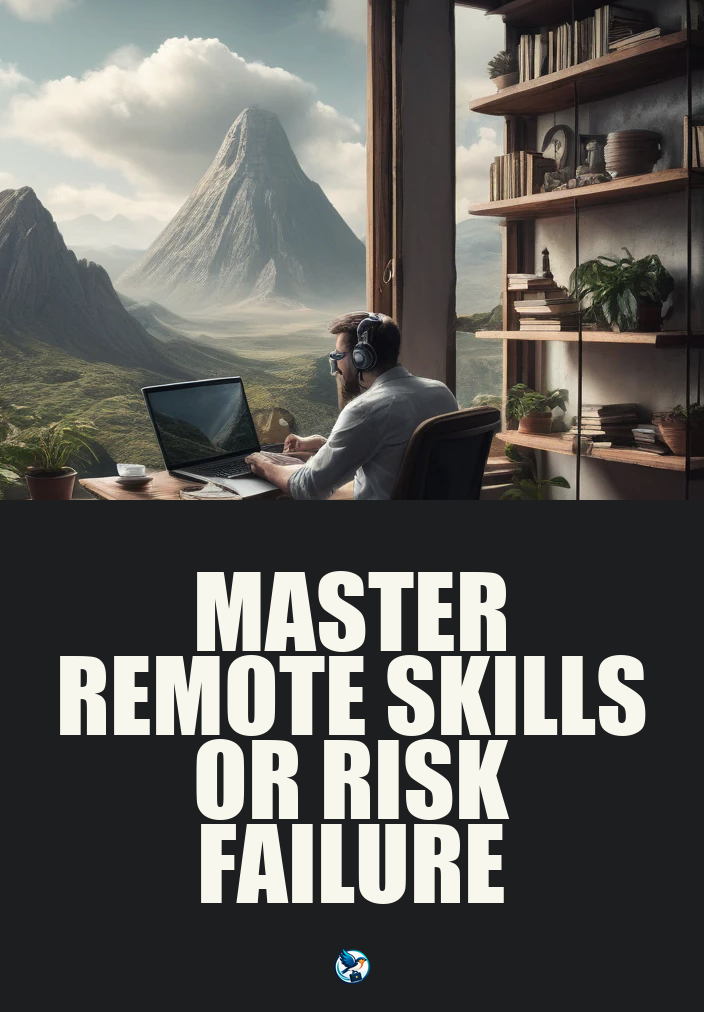
As remote work becomes increasingly common, the ability to thrive in a virtual environment is more important than ever. While the flexibility of working from home can be appealing, it also presents unique challenges. To navigate these effectively, developing certain key skills is crucial. Let’s explore what these skills are and how you can cultivate them for a successful remote work experience.
1. Communication Skills
Effective communication is at the heart of any successful remote work arrangement. Without face-to-face interactions, nuances can easily be lost. Here are a few areas to consider:
Verbal Communication
- Practice clarity and conciseness. Use straightforward language to convey your points.
- Utilize video calls for important discussions to facilitate better engagement and understanding.
Written Communication
- Be mindful of tone. Since your words are the only medium, avoid ambiguity and consider how your message might be interpreted.
- Proofread your communications. This helps to avoid misunderstandings and portrays professionalism.
Active Listening
Being a good listener is just as important as articulating your thoughts. Make sure to:
- Ask clarifying questions to ensure you understand the message.
- Summarize what you heard to confirm understanding.
2. Time Management
When you work remotely, managing your time becomes even more critical. Distractions can abound, and without a structured environment, productivity can wane. Here’s how to sharpen your time management skills:
Set a Schedule
Create a daily routine that mimics a traditional workday. This might include:
- Defining your start and end times.
- Establishing regular breaks to recharge.
Prioritize Tasks
Use tools like to-do lists or task management software to prioritize your responsibilities. Consider:
- Using the Eisenhower Matrix to distinguish between urgent and important tasks.
- Setting small, achievable goals to maintain momentum.
Avoiding Distractions
Identify common distractions in your home and strategize on how to mitigate them. This could include:
- Creating a dedicated workspace.
- Using apps that block distracting websites during work hours.
3. Self-Motivation and Discipline
In a remote setting, you often lack the external structure that comes with a traditional office. Therefore, motivation and discipline are essential. Here are some ways to enhance these skills:
Set Personal Goals
Define what success looks like for you in your role. Break these down into measurable, achievable goals.
Track Your Progress
Regularly review your accomplishments and adjust your goals as needed. This keeps you engaged and accountable.
4. Technical Proficiency
Being tech-savvy is non-negotiable in remote work. Familiarize yourself with essential tools and software to enhance collaboration and productivity:
Common Tools
- Collaboration platforms (chat, video conferencing).
- Project management software (task assignments, deadlines).
- Time tracking tools to manage your hours effectively.
Stay Updated
Regularly upgrade your technical skills by:
- Enrolling in online courses related to tools you use.
- Participating in webinars or workshops.
5. Adaptability
Remote work can be unpredictable. Changes in team dynamics, job roles, or projects can occur without warning. Here’s how to cultivate adaptability:
Embrace Change
When faced with new challenges, approach them with a positive mindset. Consider:
- Viewing obstacles as opportunities for growth.
- Being open to feedback and adjusting your strategies accordingly.
Be Proactive
Anticipate potential changes in your work environment or responsibilities, and prepare for them in advance.
6. Networking and Relationship Building
Even in a remote environment, building relationships is crucial. Connecting with colleagues can enhance collaboration and foster a sense of belonging:
Utilize Virtual Networking
Engage with your team through:
- Regular check-ins, both formal and informal.
- Participating in virtual team-building activities.
Seek Mentorship
Find a mentor or peer who can offer guidance. This can help you navigate challenges and grow professionally.
7. Problem-Solving Skills
In a remote work setting, you may encounter issues that you need to resolve independently. Developing strong problem-solving skills can empower you to tackle challenges effectively:
Identify Problems Early
Pay attention to signs that something isn’t going right. The sooner you recognize an issue, the easier it will be to find a solution.
Develop Solutions
When faced with a problem, brainstorm multiple solutions and evaluate their feasibility. Consider:
- Weighing the pros and cons of each option.
- Consulting with colleagues for additional perspectives.
Next Steps to Enhance Your Remote Work Skills
Now that you have a solid understanding of the key skills needed for remote work, it’s time to take action:
- Assess your current skill set against the ones discussed. Identify areas where you can improve.
- Engage in online courses or workshops focused on communication, time management, or technical tools.
- Set personal goals to develop these skills over a defined period, such as three months.
- Join online forums or communities related to your field for networking and support.
By focusing on these essential skills, you can position yourself for success in the evolving landscape of remote work. Take the first step today toward becoming a more effective remote worker.