Understanding the Importance of Remote Work Skills Development
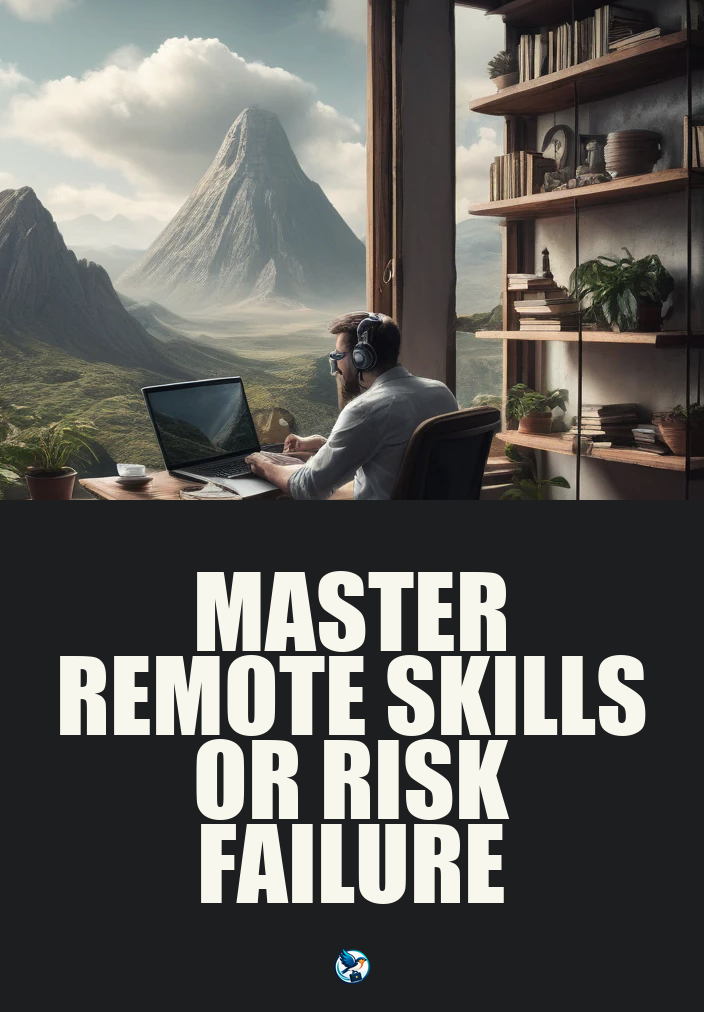
Remote work has become a staple in many industries, allowing flexibility and a more dynamic work-life balance. However, with this shift comes the necessity for specific skills that can often be overlooked. Developing these skills is essential to not only excel in your current role but also to increase your employability in a competitive job market.
This checklist will help you navigate the common pitfalls in remote work skills development, ensuring you focus on the right areas and avoid costly mistakes. Whether you’re looking to enhance your current capabilities or pivot to a new field, this guide provides practical steps to guide your journey.
Identifying Essential Remote Work Skills
To start, it’s crucial to understand what skills are essential for remote work. Here are some of the key competencies you should focus on:
- Communication: Being able to convey your thoughts clearly through email, chat, or video calls is vital. Miscommunication can lead to misunderstandings and project delays.
- Time Management: Remote work often means self-managing your schedule. Knowing how to prioritize tasks and set realistic deadlines is essential.
- Technical Proficiency: Familiarity with remote work tools and software is non-negotiable. This includes project management tools, communication platforms, and basic troubleshooting skills.
- Collaboration: Working with diverse teams requires adaptability. Understanding how to collaborate effectively in a virtual space is key.
- Self-Motivation: You need to be driven to complete tasks independently without constant oversight.
Conducting a Skills Gap Analysis
Before diving into skill development, conduct a skills gap analysis to identify where you stand and where you need to be. Here’s how:
- List Your Current Skills: Write down the skills you currently possess related to remote work.
- Research Job Requirements: Look at job descriptions for roles you aspire to and note the skills they require.
- Identify Gaps: Compare your current skills with the requirements to pinpoint what you need to improve or learn.
This analysis will provide a clear roadmap of your development needs and help you avoid wasting time on irrelevant skills.
Creating a Targeted Learning Plan
Once you’ve identified the skills you need to develop, create a structured learning plan. Here’s how to craft one:
- Set Specific Goals: Define what you want to achieve in a specific timeframe. For instance, “I want to improve my communication skills by completing a course by the end of the month.”
- Choose Learning Resources: Select relevant resources such as online courses, webinars, or books that focus on your target skills.
- Allocate Time: Schedule regular time slots each week dedicated to skill development. Consistency is key.
- Seek Feedback: Engage with peers or mentors who can provide constructive feedback on your progress.
Avoiding Common Mistakes in Skill Development
There are several common pitfalls that you should be aware of as you develop your remote work skills:
Neglecting Soft Skills
While technical skills are essential, neglecting soft skills such as emotional intelligence and adaptability can hinder your effectiveness. Balance your development efforts across both areas.
Overlooking the Importance of Networking
Don’t focus solely on skills. Networking is equally vital in remote work. Engage with professionals in your field through online forums and social media to stay updated and gain insights.
Failing to Apply New Skills
Practice makes perfect. Look for opportunities to apply your new skills in real-world settings, whether through volunteer work, side projects, or freelance gigs.
Not Tracking Progress
Without tracking your progress, it’s easy to lose motivation. Keep a journal or use digital tools to monitor your learning journey and celebrate small victories along the way.
Leveraging Technology for Skill Development
Technology can be your best friend when it comes to developing remote work skills. Here are some tools you can utilize:
- Online Learning Platforms: Websites offering courses on various skills can help you learn at your own pace.
- Project Management Tools: Familiarize yourself with tools that enhance collaboration and organization, such as task boards or shared calendars.
- Communication Apps: Regularly use different communication platforms to become comfortable with various formats and features.
Continuous Learning and Adaptation
The remote work landscape is constantly evolving. To stay relevant, commit to continuous learning. Here’s how:
- Stay Informed: Follow industry trends and news to understand what skills are in demand.
- Adapt Your Skills: As technology and methodologies change, be ready to adapt your skills accordingly.
- Engage in Ongoing Education: Consider pursuing certifications or advanced courses that align with your career goals.
Next Steps for Your Remote Work Skills Development
Now that you have a comprehensive checklist for avoiding mistakes in remote work skills development, it’s time to take action:
- Conduct your skills gap analysis and identify your development areas.
- Create a targeted learning plan with specific goals and resources.
- Engage with your network and seek feedback regularly.
- Commit to continuous learning to adapt to the evolving job market.
By following this checklist, you’ll be well on your way to enhancing your remote work skills and positioning yourself for future success. Good luck!