Understanding Why Most Remote Jobs Don’t Provide Equipment
In the evolving landscape of work, remote jobs have surged in popularity, offering flexibility and the comfort of working from home. However, a common frustration among remote workers is the lack of equipment provided by employers. To understand this trend, we need to look at several factors influencing this decision.
Cost-Cutting Measures
Many companies view remote work as an opportunity to save costs. By not providing equipment, employers can reduce overhead expenses associated with office supplies, technology, and maintenance. This is especially true for startups and small businesses that may operate on tight budgets.
Employee Responsibility
Employers often assume that employees will have the necessary equipment to perform their jobs effectively. This expectation can stem from the idea that most individuals already own devices like laptops and smartphones. As a result, companies may choose to focus their budgets on salaries rather than on providing equipment.
Security and Compatibility Concerns
Providing equipment can also raise concerns about data security. Companies may prefer that employees use their own devices to minimize the risk of data breaches and ensure compatibility with existing software. This way, employees can use devices that they are familiar with, which can enhance productivity.
Why Some Remote Jobs Do Provide Equipment
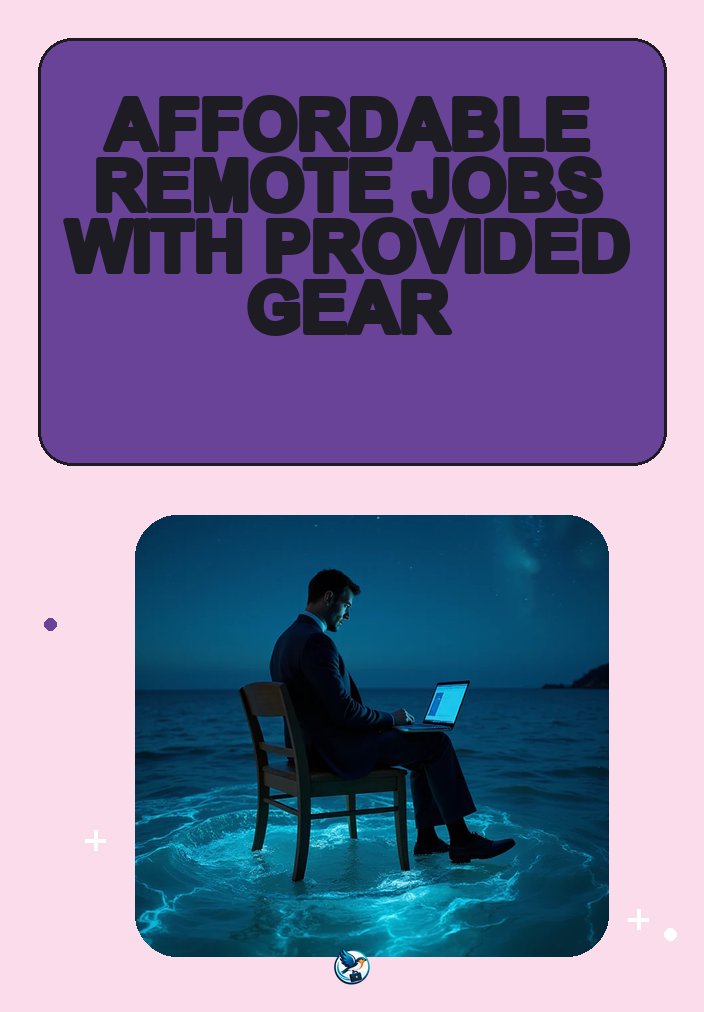
Despite the prevalent trend of not furnishing equipment, some companies do provide essential tools for remote work. Here are a few reasons why these employers choose to invest in equipment for their remote workforce.
Enhancing Productivity
Companies that prioritize productivity understand that providing adequate tools can help employees perform better. By supplying laptops, monitors, or even ergonomic chairs, employers can create an environment that fosters efficiency and comfort. This investment can ultimately lead to better results and higher employee satisfaction.
Attracting Talent
In a competitive job market, offering equipment can be a powerful incentive for attracting top talent. Candidates may be more likely to apply for positions at companies that provide the tools they need to succeed. This can set an organization apart from others that do not offer such benefits.
Supporting Varied Work Environments
Some companies recognize that not all employees have the means to set up a functional home office. Providing equipment can create a more equitable work environment and support employees from diverse backgrounds. Companies that value inclusivity often invest in the necessary tools to ensure everyone can perform their best.
How to Find Remote Jobs That Provide Equipment
If you’re on the hunt for remote work that includes equipment provisions, there are several strategies you can employ to enhance your job search.
Research Company Policies
Before applying, research the company’s remote work policies. Look for insights on their career pages, employee reviews, and job postings. Companies that prioritize remote work often highlight their benefits, including equipment provisions.
Use Job Boards Wisely
Some job boards cater specifically to remote work opportunities. Use filters to search for positions that mention equipment or stipulate that it will be provided. Be specific in your search terms, including phrases like “remote jobs with equipment provided” or “remote roles that include gear.”
Network with Current Employees
Leverage LinkedIn and other professional networks to connect with current or former employees of companies you’re interested in. Ask about their experiences regarding equipment provision. Firsthand insights can provide clarity on what to expect.
Prepare Targeted Questions for Interviews
During interviews, don’t hesitate to ask about equipment policies directly. Questions like, “What kind of equipment does the company provide for remote employees?” or “How does the company support home office setups?” can yield valuable information. This shows your interest in the role and clarifies expectations.
Consider Contract and Freelance Work
Some contract or freelance positions offer equipment as part of their package, especially in roles that require specific tools or technology. Explore job postings that cater to freelancers, as they may have different policies regarding equipment.
Evaluating Job Offers
When you receive a job offer, consider more than just the salary. Evaluate the full compensation package, which may include equipment provisions. Here are some factors to weigh:
- Equipment Provided: What specific items will the employer supply, and are they sufficient for your role?
- Budget for Home Office: Some companies offer stipends for purchasing equipment. Assess whether this meets your needs.
- Support for Technology: Will the employer provide ongoing support for technical issues related to the equipment?
- Flexibility: Are there options to choose your own equipment or upgrade in the future?
Next Steps for Your Job Search
Finding remote jobs that provide equipment can take time and effort, but with the right approach, you can increase your chances of success. Start by researching companies known for their remote-friendly policies, utilizing job boards effectively, and networking with industry professionals. When you identify potential opportunities, don’t hesitate to ask the right questions during interviews to ensure you’re on the same page as the employer.
By being proactive and informed, you can secure a remote position that not only supports your career goals but also provides the tools you need to thrive.