Understanding the Importance of a Targeted Resume for Career Changers
Transitioning into a new career can be exciting yet daunting. One of the most crucial tools you’ll need in this journey is a targeted resume. Unlike a general resume that lists all your experiences, a targeted resume focuses on relevant skills and experiences that align specifically with the job you’re applying for. This approach not only showcases your qualifications but also demonstrates your commitment to the new field.
Key Components of a Targeted Resume
To create an effective targeted resume, start by understanding its key components. Here’s what to include:
- Objective Statement: A concise statement that outlines your career goals and what you can bring to the prospective employer.
- Relevant Skills: Highlight transferable skills that apply to the new position, even if they were acquired in a different field.
- Tailored Experience: Focus on past job roles that relate directly to the new career path. Include specific examples that demonstrate your capabilities.
- Education and Certifications: List any relevant education or certifications that will enhance your credibility in the new field.
- Additional Sections: Consider adding sections for volunteer work, internships, or projects that align with the new career.
Steps to Crafting Your Targeted Resume
Here’s a step-by-step guide to help you craft a compelling targeted resume:
1. Research Your Desired Field
Begin by researching the industry you’re aiming to enter. Understand the specific skills, qualifications, and experiences that employers are looking for. Job descriptions can provide valuable insights into necessary competencies.
2. Identify Transferable Skills
Next, take stock of your current skills that can translate into the new role. For instance, if you’re moving from a teaching career to corporate training, your skills in communication, curriculum development, and public speaking are highly relevant.
3. Customize Your Resume for Each Application
Don’t use the same resume for every job application. Customize your resume for each position by adjusting your objective statement, skills section, and experience descriptions to align with the job requirements. Use keywords from the job description to ensure your resume is noticed by applicant tracking systems.
4. Highlight Relevant Experience
When listing your work experience, focus on roles and responsibilities that relate to the new career. If you held a position that involved project management, emphasize this even if the job title does not directly reflect it. Use bullet points to detail accomplishments and outcomes.
5. Keep It Concise and Readable
Your resume should be easy to read and concise. Aim for one page if you have less than 10 years of experience, and two pages if you have more. Use a clean layout with clear headings and bullet points to enhance readability.
Tips for Making a Strong Impression
In addition to the structural components of your resume, consider these practical tips to make a strong impression:
- Use Action Verbs: Start bullet points with strong action verbs such as “developed,” “managed,” or “designed” to convey your achievements effectively.
- Quantify Achievements: Whenever possible, include numbers to demonstrate your impact. For example, “Increased sales by 20% within six months” is more compelling than “Responsible for sales.”
- Professional Formatting: Use a professional font and consistent formatting throughout your resume to create a polished look.
- Proofread: Spelling and grammatical errors can create a negative impression. Always proofread your resume or have a friend review it.
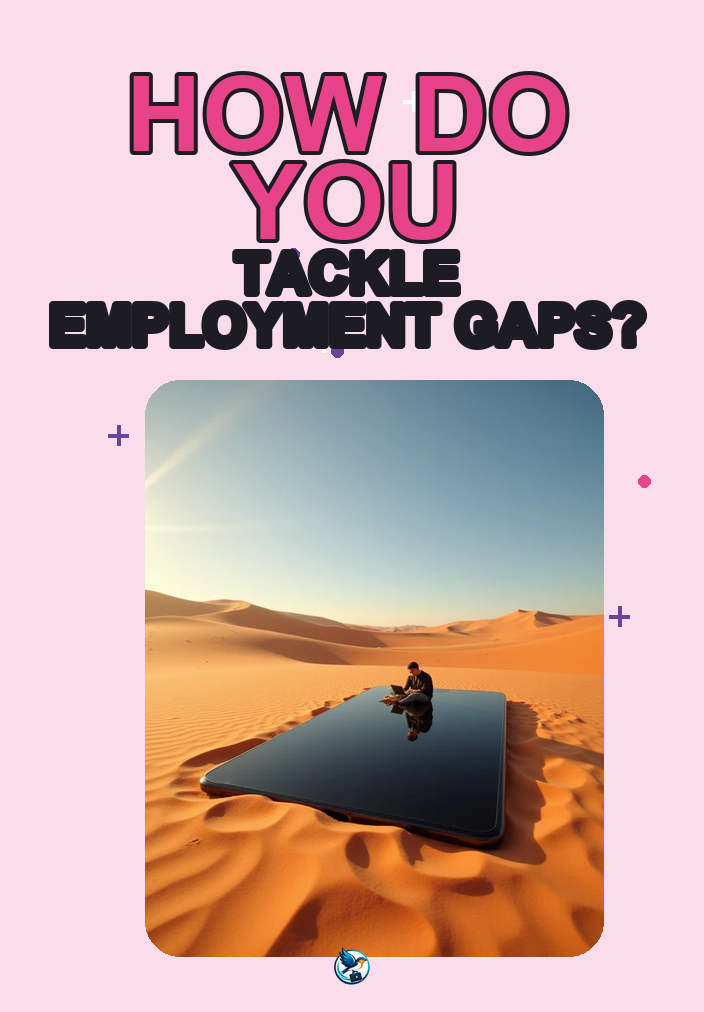
Addressing Employment Gaps and Career Changes
If you’re changing careers or have gaps in your employment history, be proactive in addressing these in your resume or cover letter. Here are some strategies:
- Include a Functional Format: Consider using a functional resume format that emphasizes skills over chronological work history.
- Explain Gaps Briefly: If appropriate, include a brief explanation of gaps in your employment, such as pursuing education or personal development.
- Focus on Learning: Highlight any courses, certifications, or workshops you completed during gaps to show your commitment to growth.
Next Steps for Career Changers
Now that you understand how to create a targeted resume, take actionable steps to move forward in your career transition:
- Research job descriptions in your desired field to identify necessary skills.
- Draft your targeted resume using the guidelines provided.
- Seek feedback from peers or mentors to refine your resume.
- Prepare for interviews by practicing how to articulate your transferable skills and experiences.
Remember, crafting a targeted resume is not just about listing your qualifications—it’s about telling your career story in a way that resonates with potential employers. Good luck on your journey!