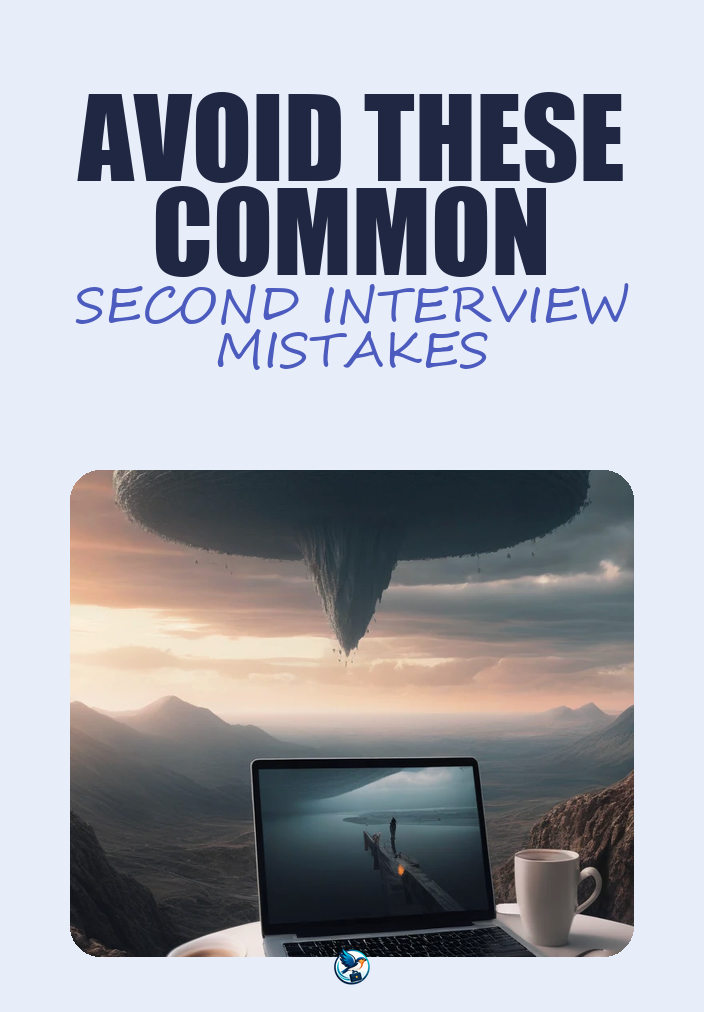
Understanding the Importance of the Second Interview
Congratulations! You’ve made it to the second interview, a critical milestone in the job search process. This is your chance to further impress the hiring team and showcase why you’re the best fit for the role. However, as exciting as this opportunity can be, it also comes with its own set of challenges. Knowing the common pitfalls to avoid can help you navigate this stage successfully.
Common Pitfalls to Avoid During Your Second Interview
1. Neglecting Research on the Company
While you may have done some research for your first interview, it’s essential to dive deeper for the second. Employers expect candidates to show a genuine interest in their company culture, values, and recent developments. Failing to exhibit this knowledge can make you appear unprepared or uninterested.
- Action Step: Familiarize yourself with the company’s recent news, projects, and initiatives. Check their website, social media, and any relevant articles to understand their current standing in the industry.
2. Focusing Solely on Yourself
In the first interview, it’s common to discuss your skills and experiences. However, during the second interview, turn the focus toward how you can contribute to the company’s goals. This is your opportunity to demonstrate that you’re not just seeking a job, but that you genuinely want to add value to the organization.
- Action Step: Prepare specific examples of how your skills align with the company’s needs. Articulate how you can help solve their challenges or enhance their projects.
3. Overlooking Cultural Fit
During the second interview, hiring managers often assess whether you will fit into their team and company culture. If you don’t seem to align with their values or work style, it could jeopardize your chances.
- Action Step: Pay attention to the team dynamics during the interview. Be prepared to discuss how your work style complements others and how you can contribute positively to the workplace environment.
4. Forgetting to Ask Questions
Asking insightful questions is a key part of the second interview process. Failing to engage with your interviewers through questions can signal a lack of interest or initiative.
- Action Step: Prepare thoughtful questions that demonstrate your interest in the role and the company. Inquire about future projects, team dynamics, or growth opportunities within the company.
5. Underestimating the Importance of Non-Verbal Communication
Your body language speaks volumes during an interview. Being unaware of your non-verbal cues can lead to misinterpretations of your enthusiasm and confidence.
- Action Step: Maintain eye contact, use open body language, and smile genuinely. Practice active listening to show that you are engaged in the conversation.
6. Discussing Salary Prematurely
While it’s important to understand compensation, bringing it up too early can derail the interview. Focus on showcasing your fit for the role before discussing salary expectations.
- Action Step: Wait for the interviewer to bring up salary or save this topic for when you receive an offer. If asked, provide a thoughtful range based on industry standards, but prioritize your fit for the role first.
7. Failing to Follow Up
After the second interview, many candidates forget to send a follow-up thank you note. This simple gesture can set you apart from other candidates and demonstrate your professionalism.
- Action Step: Send a personalized thank you email to each person you spoke with, expressing gratitude for the opportunity and reiterating your enthusiasm for the position.
Preparing for Success
To navigate the second interview effectively, preparation is key. By avoiding these common pitfalls, you can present yourself as a strong candidate ready to contribute positively to the company. Remember, the second interview is not just about you impressing them; it’s also about evaluating whether this is the right fit for you.
Next Steps for Your Second Interview
As you prepare for your upcoming second interview, consider the following:
- Review your notes from the first interview to identify areas for deeper discussion.
- Draft a list of potential questions that show your engagement with the company’s mission.
- Practice discussing your previous experiences in a way that highlights your fit for the role.
- Plan your follow-up strategy to ensure you express your gratitude post-interview.
With the right preparation and awareness, you can turn your second interview into a stepping stone toward your new career. Good luck!