Understanding Job Boards and Networking
As a career changer, you may be wondering which strategy is more effective: relying on job boards or leveraging your network. Both methods have their strengths and weaknesses, and the best approach often combines elements of both. Let’s delve deeper into job boards and networking to find out which strategy works best for you.
Job Boards: A Traditional Approach
Job boards are online platforms that list job openings from various employers. They are often the go-to place for job seekers for good reason. Here are some key advantages and limitations of using job boards:
Advantages of Job Boards
- Wide Reach: Job boards aggregate listings from different companies, providing a broad range of opportunities.
- Easy to Use: They typically have user-friendly interfaces that allow job seekers to filter by industry, location, and job type.
- Access to Remote Positions: Many job boards have specific sections for remote work, giving you the flexibility to work from anywhere.
Limitations of Job Boards
- High Competition: Popular job postings can attract hundreds of applicants, making it challenging to stand out.
- Limited Personalization: Job boards often lack the personal touch, which can lead to a generic application process.
- Outdated Listings: Some job postings may no longer be available, leading to frustration during your search.
Networking: The Power of Connections
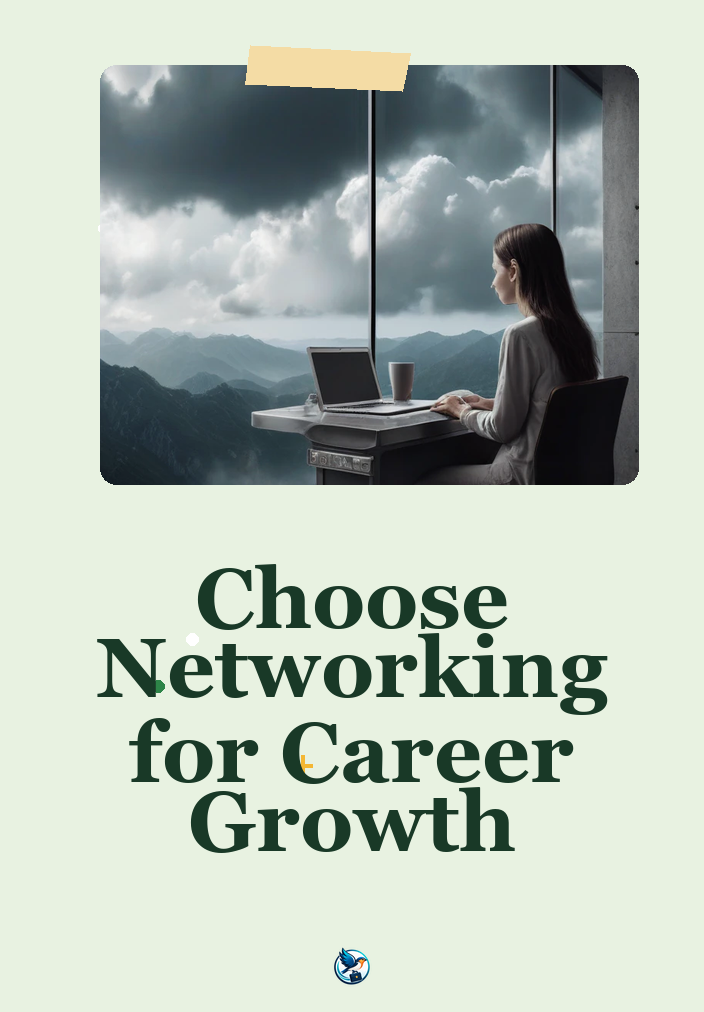
Networking involves building relationships with professionals in your desired field. This strategy can be particularly beneficial for career changers. Let’s explore the advantages and limitations of networking.
Advantages of Networking
- Personal Recommendations: Many job openings are filled through referrals, giving you an edge if someone in your network vouches for you.
- Access to Hidden Opportunities: Not all jobs are advertised publicly. Networking can expose you to opportunities that aren’t listed on job boards.
- Real-Time Feedback: Conversations with industry professionals can provide insights into trends, skills needed, and company cultures.
Limitations of Networking
- Time-Consuming: Building a network takes time and effort; it’s not an instant solution.
- Requires Social Skills: Networking might not come naturally to everyone, especially if you’re introverted or new to the industry.
- Limited Scope: Your network may be limited to your immediate contacts, which can narrow your job search options.
Which Strategy Works Best for Career Changers?
When it comes to choosing between job boards and networking, both strategies can be effective, but they serve different purposes. For career changers, networking often proves to be the more advantageous strategy. Here’s why:
1. Building Relationships Over Applications
Networking allows you to build genuine relationships within your desired field. Instead of sending out countless applications with little response, you can engage in meaningful conversations that may lead to job opportunities.
2. Gaining Industry Insights
Through networking, you can learn about the skills and experiences that are truly valued in your new field. This knowledge can help you tailor your resume and cover letter to match employer expectations.
3. Finding Mentors
Networking can lead you to mentors who can provide guidance, support, and even job leads. A mentor in your new field can help you navigate challenges and provide valuable advice.
4. Enhancing Your Confidence
As a career changer, you might feel uncertain about your new path. Networking allows you to share your story and receive encouragement from others who have made similar transitions.
Combining Both Strategies for Maximum Effect
While networking may take precedence, integrating both job boards and networking can yield the best results. Here’s how to effectively combine both strategies:
- Identify Your Goals: Determine what type of job you’re seeking and make a list of companies you admire.
- Leverage Job Boards: Use job boards to apply for positions at those companies, but don’t stop there. Customize your applications to reflect your unique experiences.
- Network Strategically: Attend industry events, join online forums, or reach out to existing contacts to discuss your career transition. Don’t hesitate to ask for informational interviews.
- Follow Up: After networking events, send follow-up emails thanking people for their time. This keeps the door open for future conversations.
- Stay Engaged: Keep your network updated on your job search progress and share any relevant articles or insights to maintain those relationships.
Next Steps for Your Job Search
As you embark on your career change, remember that both job boards and networking can play crucial roles in your job search. Start by assessing your strengths and preferences. If you feel comfortable, invest time in networking, while also utilizing job boards for applications. Here are a few practical next steps to take:
- Update your resume and LinkedIn profile to reflect your new career goals.
- Join professional organizations related to your desired field to expand your network.
- Set a goal to attend at least one networking event per month.
- Allocate time each week to search for jobs on job boards and apply to a set number of positions.
Remember, a successful career change is a marathon, not a sprint. Combining the strengths of job boards and networking can help you navigate your transition more smoothly and effectively.