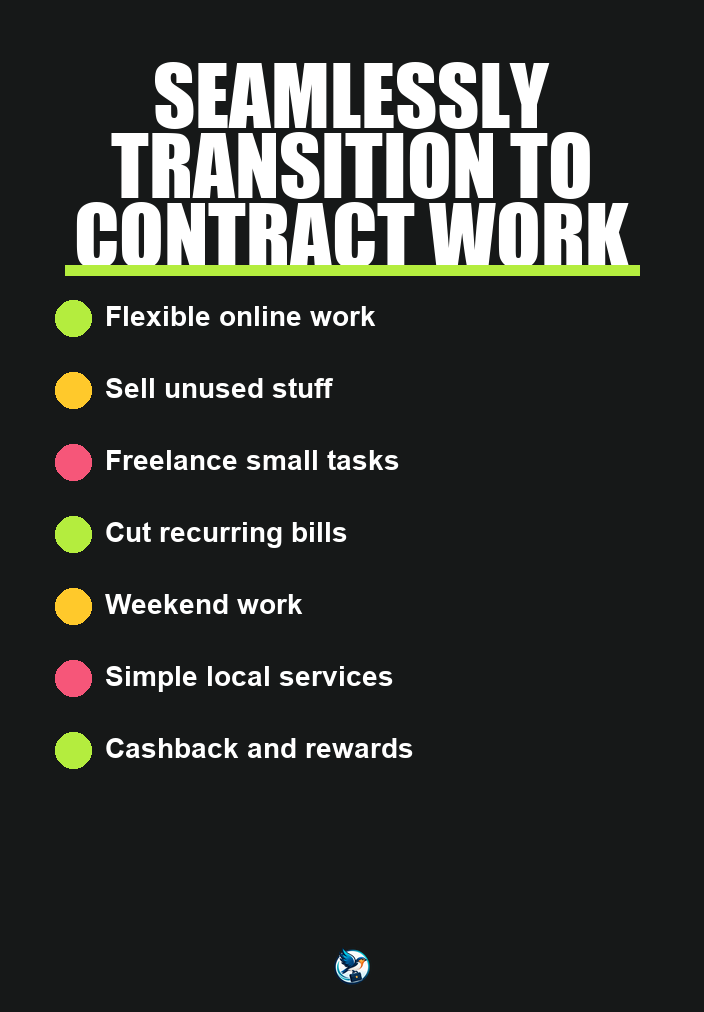
Understanding the Shift: Why Transition to Contract Work?
Transitioning from traditional employment to contract work can be a game-changer for many professionals. The flexibility, autonomy, and potential for higher earnings are appealing. However, making this shift requires strategic planning to ensure a smooth transition. Here’s how to approach it effectively.
Assess Your Current Situation
Before diving into contract work, take a close look at your current employment situation. Ask yourself the following questions:
- What skills do I have? Identify your marketable skills and any areas that need strengthening.
- What are my financial needs? Consider your monthly expenses and how much you need to earn to maintain your lifestyle.
- Am I ready for the uncertainty? Contract work can be unpredictable. Evaluate your comfort level with financial fluctuations.
Research Your Market
Understanding the demand for your skills is crucial. Spend time researching the industries where contract work is thriving. Look for:
- Trends: Identify which skills are currently in demand. Tech, writing, consulting, and creative fields often have a high demand for contractors.
- Rates: Research what contractors in your field are charging. Websites that aggregate freelance gigs can give you a ballpark figure.
- Networking Opportunities: Connect with professionals already working in contract roles. Their insights can be invaluable.
Develop Your Personal Brand
Your personal brand is essential in the contract world. It sets you apart from the competition. Here’s how to build it:
- Online Presence: Create or update your LinkedIn profile. Share articles, engage with others, and showcase your expertise.
- Portfolio: If applicable, build a portfolio that highlights your best work. This is especially critical for creative fields.
- Networking: Attend industry events, webinars, and local meetups. Networking can lead to contract opportunities.
Financial Planning for Contract Work
Transitioning to contract work can affect your financial situation significantly. Here are some steps to prepare:
Budgeting
Start by creating a budget that reflects your new earning potential. Consider the following:
- Income Variability: Estimate your earnings based on projected contract work and adjust your budget accordingly.
- Taxes: Unlike traditional employment, you’ll be responsible for your taxes. Set aside 20-30% of your earnings for tax purposes.
- Insurance: Research health insurance options. As a contractor, you may need to purchase your own coverage.
Emergency Fund
Having an emergency fund is crucial when transitioning to contract work. Aim to save enough to cover 3-6 months of living expenses. This safety net will provide peace of mind during dry spells.
Building a Client Base
Finding clients is one of the biggest challenges in contract work. Here are strategies to build a steady client base:
- Freelancing Platforms: Consider using platforms that connect freelancers with clients. These can be a good way to start.
- Direct Outreach: Don’t hesitate to reach out to potential clients directly. A well-crafted email can open doors.
- Referrals: Ask previous employers or clients for referrals. Word-of-mouth can be powerful.
Setting Up Your Contract Work Structure
Once you’ve secured clients, it’s essential to set up a solid structure for your contract work:
- Contracts: Always use contracts to outline the scope of work, payment terms, and deadlines. This protects both you and your client.
- Invoicing: Create a streamlined invoicing system. Regular and clear invoicing helps ensure timely payments.
- Time Management: Develop a routine to manage your time effectively. Without the structure of a traditional job, it’s easy to lose track of deadlines.
Continuous Learning and Adaptation
The landscape of contract work is always changing. Stay relevant by committing to continuous learning:
- Courses and Certifications: Enroll in courses to enhance or diversify your skill set.
- Feedback: Regularly seek feedback from clients to improve your services.
- Networking: Continue to expand your professional network to learn about new opportunities and trends.
Preparing for Challenges
Every career transition comes with challenges. Here’s how to prepare for some common obstacles:
- Income Instability: Expect fluctuations in income. Having a solid budgeting plan can mitigate stress.
- Client Management: Some clients may have unrealistic expectations. Establish clear communication from the start.
- Isolation: Contract work can feel lonely. Make an effort to connect with peers and other contractors.
Next Steps: Taking Action
Now that you have a roadmap for transitioning to contract work, it’s time to take action. Start by assessing your current situation and researching your market. Begin building your personal brand and networking with professionals in your field. Don’t forget to plan your finances carefully and create a solid structure for your contract work.
Remember, while the journey may have its challenges, the rewards of contract work can lead to a fulfilling and flexible career. Good luck!