Understanding the Value of Experience Over Degrees
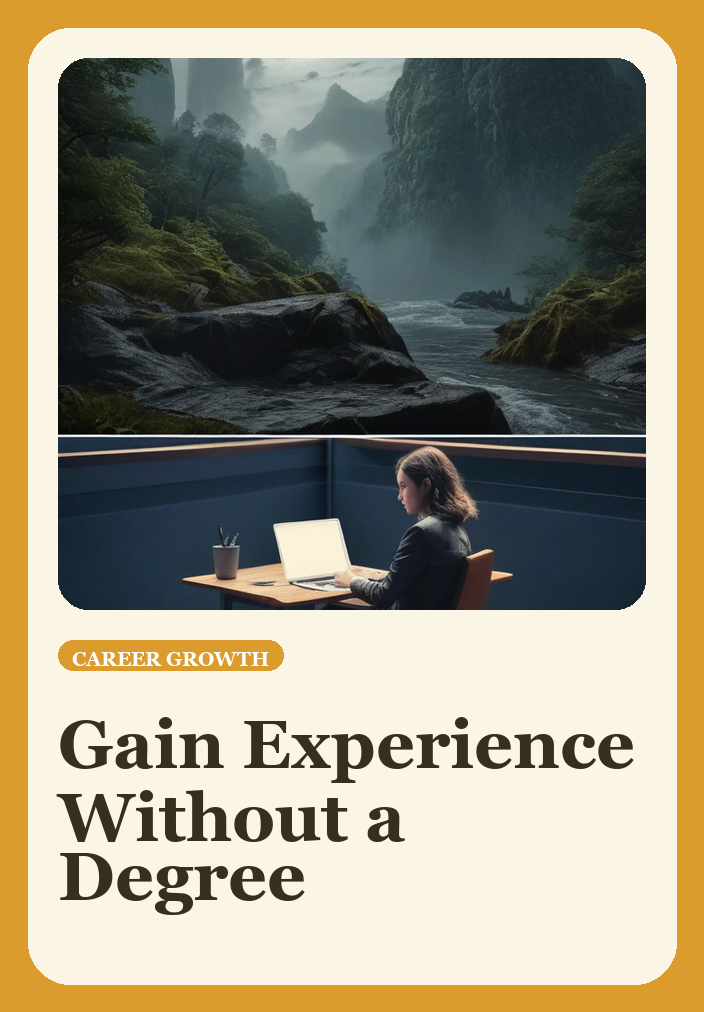
In today’s job market, having a formal degree is no longer the only pathway to a successful career. Many employers are increasingly prioritizing practical experience and skills over academic credentials. This shift opens up exciting opportunities for adults seeking better jobs, especially for those who may not have completed higher education.
If you’re looking to gain valuable work experience without a formal degree, there are numerous practical steps you can take. Here’s how you can build your career through alternative routes.
Identify Your Interests and Skills
The first step toward gaining valuable work experience is to assess your own interests and skills. Understanding what you enjoy doing and where your strengths lie will help you focus your efforts effectively.
Self-Assessment Techniques
- Take online quizzes: Several websites offer free assessments to help you identify your strengths and interests.
- Seek feedback: Ask friends, family, or colleagues what they see as your strengths. Sometimes an outside perspective can reveal hidden talents.
- Reflect on past experiences: Consider past jobs, volunteer work, or hobbies where you felt most engaged and successful.
Leverage Volunteer Opportunities
Volunteering is one of the most effective ways to gain hands-on experience and build your resume. Nonprofits and community organizations often seek help and are more than willing to train individuals willing to learn.
How to Find Volunteer Work
- Local nonprofits: Research organizations in your area that align with your interests and offer volunteer programs.
- Online platforms: Websites dedicated to volunteerism can connect you with opportunities that match your skills.
- Networking: Talk to people in your community or social circles who can point you toward organizations in need of help.
For example, if you’re interested in marketing, volunteering to help a local charity with their social media could provide you with practical experience and enhance your resume.
Consider Internships and Apprenticeships
Internships and apprenticeships can provide a structured way to gain experience in your chosen field. While some internships may prefer candidates with degrees, many are open to anyone eager to learn.
Finding the Right Internships
- Check local businesses: Smaller businesses may offer internships that provide hands-on experience without requiring formal educational credentials.
- Look for remote opportunities: Many companies are offering remote internships, which can be a great way to gain experience from home.
- Utilize job boards: Websites dedicated to internships can help you find opportunities that match your career goals.
Apprenticeships, especially in trades like plumbing or electrical work, provide a unique path where you can earn while you learn, often leading to a certification or license that increases job prospects.
Self-Directed Learning and Online Courses
With the wealth of resources available online, self-education has never been easier. Taking courses can help you acquire skills that are in demand.
Choosing the Right Courses
- Focus on industry-relevant skills: Identify which skills are most relevant to the jobs you are targeting and seek out courses that cover those areas.
- Use reputable platforms: Several online platforms offer affordable or even free courses that can enhance your learning.
- Practice what you learn: Apply new skills through personal projects, freelance work, or even by volunteering.
For instance, if you want to pursue a career in web development, consider taking online courses in HTML, CSS, and JavaScript, and then build your own website or help others with theirs.
Networking and Building Relationships
Networking is vital for career growth, especially if you lack a formal degree. Building relationships can open doors to job opportunities that aren’t advertised publicly.
Networking Strategies
- Attend industry events: Conferences, meetups, and workshops provide opportunities to meet professionals in your field.
- Join online forums: Engage in discussions on platforms related to your interests and career goals.
- Utilize social media: Platforms like professional networking sites allow you to connect with industry professionals and showcase your skills.
When networking, remember to be genuine. People are more likely to help if they see your enthusiasm and willingness to learn.
Freelancing as a Path to Gain Experience
Freelancing can be an excellent way to gain real-world experience while also earning an income. Many businesses hire freelancers for specific projects, which means you can build your portfolio without a degree.
Getting Started with Freelancing
- Identify your marketable skills: Determine what services you can offer based on what you’ve learned or your existing skills.
- Create a portfolio: Even if you don’t have formal experience, showcase any relevant work, projects, or skills.
- Use freelancing platforms: Websites that connect freelancers with clients can help you find your first gigs and build credibility.
For example, if you’re skilled in graphic design, start by offering your services on freelance platforms to build a portfolio and gain client testimonials.
Next Steps: Turning Experience Into Opportunities
Once you’ve gained experience through volunteering, internships, online courses, or freelancing, it’s time to translate that experience into job opportunities. Tailor your resume to highlight your practical skills rather than focusing on formal education. Be prepared to discuss what you’ve learned and how it applies to the roles you’re pursuing.
Remember that gaining valuable work experience without a formal degree is entirely achievable. With determination and the right approach, you can carve your own path to a fulfilling career.