Understanding the Basics: Full-Time Remote Jobs vs. Traditional Office Roles
As the workforce evolves, more individuals are faced with the choice between full-time remote jobs and traditional office positions. Deciding which one fits your lifestyle best can significantly impact your work-life balance, productivity, and overall happiness. Let’s break down the key differences and considerations to help you make an informed decision.
Core Differences: Remote Work vs. Office Environment
Understanding the core differences between remote work and traditional office roles is essential for evaluating which path suits you better. Here are some fundamental distinctions:
- Location: Remote jobs allow you to work from virtually anywhere—home, a café, or even a different country. Traditional office roles require you to commute to a designated workplace.
- Work Hours: Many remote jobs offer flexible hours, letting you choose when you work. Office positions often have set hours, requiring you to be on-site during specific times.
- Interaction: In-office roles provide face-to-face interactions with colleagues, which can facilitate teamwork. Remote roles often rely on digital communication, which can feel isolating for some.
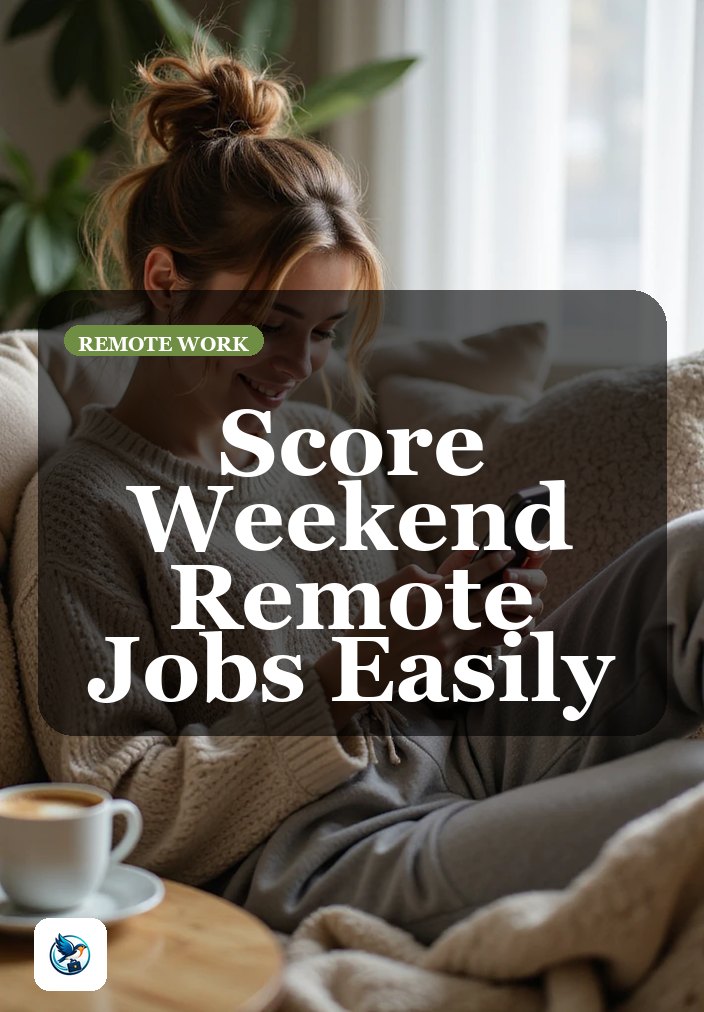
- Work-Life Balance: Remote positions often allow for a better work-life balance, as you can manage your schedule more freely. However, they can also blur the lines between work and personal life.
Evaluating Your Personal and Professional Needs
Before making a choice, assess your personal and professional needs. Ask yourself the following questions:
1. What is your ideal work environment?
Consider whether you thrive in a bustling office with colleagues around or if you prefer the quiet of working from home. Your personality plays a significant role here.
2. How do you handle distractions?
Remote work can come with its own set of distractions, whether it’s household chores or family members. Evaluate how effectively you can manage these distractions compared to an office setting.
3. What are your communication preferences?
If you enjoy spontaneous discussions and brainstorming sessions, an office may suit you better. On the other hand, if you prefer structured communication via email or messaging apps, remote work might be ideal.
4. What does your career path look like?
Some industries and roles may have more opportunities in traditional settings, especially those that require hands-on collaboration. Research the growth trends within your field and assess where remote opportunities exist.
Pros and Cons of Full-Time Remote Jobs
Remote work offers various advantages and disadvantages. Here are some key points to consider:
Pros:
- Flexibility: You can create a schedule that fits your lifestyle, allowing you to manage personal commitments alongside work.
- No Commute: Eliminating the daily commute saves time and reduces transportation costs.
- Wider Job Opportunities: Remote work opens doors to positions across the globe, expanding your job search beyond local options.
Cons:
- Isolation: Working remotely can feel lonely, especially for extroverts who thrive on social interactions.
- Work-Life Balance Challenges: The blurring of boundaries between work and home can lead to burnout if not managed properly.
- Self-Discipline Required: Remote work often requires a high level of self-motivation and discipline to stay productive.
Pros and Cons of Traditional Office Positions
Traditional office roles also come with their own set of advantages and disadvantages:
Pros:
- Structured Environment: The office provides a clear boundary between work and home life.
- Immediate Feedback: Face-to-face communication allows for quicker feedback and collaboration.
- Networking Opportunities: Working alongside colleagues can foster relationships that may benefit your career.
Cons:
- Commute: Daily travel can be time-consuming and costly, negatively impacting your work-life balance.
- Less Flexibility: Office hours are often fixed, making it harder to manage personal commitments.
- Office Politics: Navigating workplace dynamics can sometimes be challenging and stressful.
Making the Decision: Which Fits Your Lifestyle?
Ultimately, the choice between full-time remote jobs and traditional office positions boils down to your individual preferences and circumstances. Here are steps to help you make your decision:
- Self-Assessment: Reflect on the questions mentioned earlier regarding your preferences and needs.
- Research: Look into job opportunities in both categories. Explore remote job boards and local company listings to get a sense of what’s available.
- Consider Hybrid Options: Some companies offer hybrid roles, combining remote work with in-office days. This could provide a balance that fits your lifestyle.
- Trial Period: If possible, try a remote role for a few months to see if it suits you. Similarly, consider taking on freelance or part-time in-office work to gauge your comfort level.
Next Steps: Finding the Right Job for You
Once you’ve made your decision, it’s time to take actionable steps:
- Update Your Resume: Tailor your resume to highlight your skills and experiences relevant to your preferred job type.
- Network: Connect with professionals in your desired field, whether through social media or networking events.
- Apply Strategically: Focus on job openings that align with your lifestyle choice while ensuring they fit your career goals.
Choosing between full-time remote jobs and traditional office positions is a significant decision that affects your work-life balance and overall satisfaction. By evaluating your preferences and weighing the pros and cons, you can find a role that truly fits your lifestyle.