Understanding the Value of Certifications in Your Career
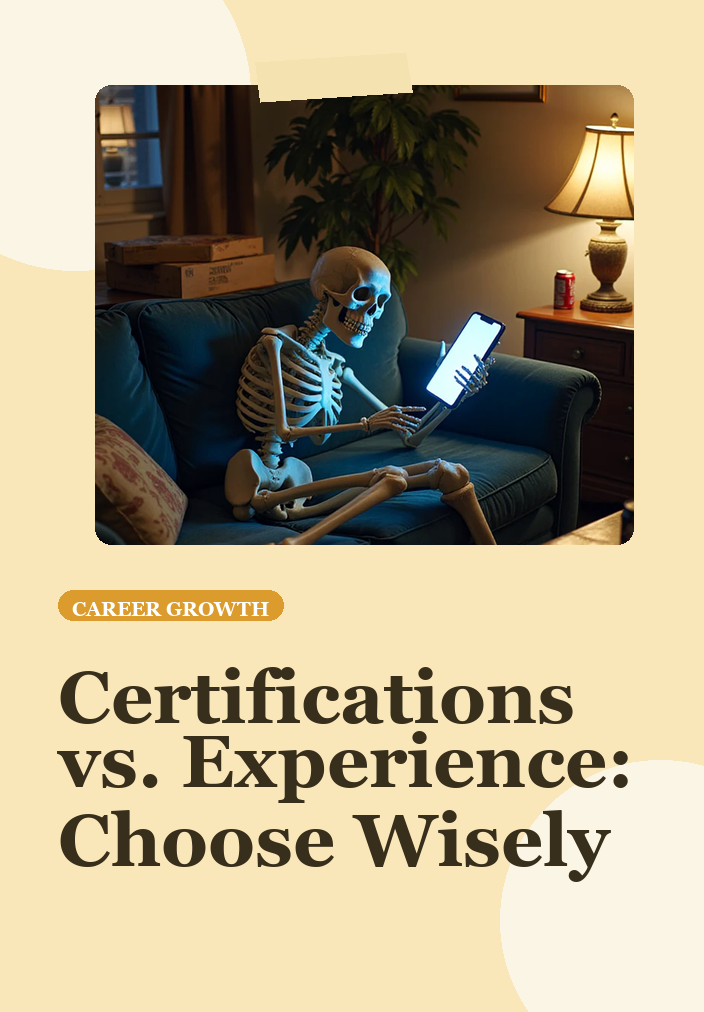
Many professionals believe that obtaining more certifications is the key to advancing their careers. While certifications can certainly be beneficial, they are not always necessary for career growth. In fact, relying solely on certifications can sometimes hinder your progress. This article explores why you might not need another certification to advance your career and offers practical advice for meaningful growth.
Assessing Your Current Skill Set
Before jumping into the certification race, take a moment to evaluate your current skills and experiences. Ask yourself:
- What skills do I currently possess that are valuable in my field?
- How well do my skills align with the requirements of the roles I aspire to?
- Have I gained practical experience that demonstrates my capabilities?
Often, practical experience can outweigh the need for additional certifications. For instance, if you’ve managed projects successfully or led a team effectively, those achievements might carry more weight than another credential on your resume. Employers frequently value real-world experience and the ability to apply knowledge over academic qualifications.
Understanding Industry Expectations
Different industries have varying expectations regarding certifications. In some fields, such as healthcare or IT, certifications are often required. However, in other sectors, such as marketing or sales, skills and experience may be more important than formal qualifications.
Research Your Industry
To understand what’s valued in your industry, consider the following steps:
- Review job postings to identify common qualifications and skills.
- Network with professionals in your field to learn their perspectives.
- Follow industry leaders on social media to stay informed about trends.
This research can help you determine whether pursuing additional certifications is necessary or if you should focus on building your experience instead.
Focusing on Relevant Experience
Experience can often speak louder than certifications. Here are some ways to gain relevant experience:
- Volunteer Work: Offer your skills to non-profits or community organizations. This can provide valuable experience and expand your network.
- Freelance Projects: Take on freelance work that aligns with your career goals. This allows you to showcase your skills in a real-world setting.
- Internships or Apprenticeships: Consider temporary positions that provide hands-on experience in your desired field.
By accumulating relevant experience, you can demonstrate your ability to perform in your target role, which can be more compelling than any certification.
Leveraging Professional Networks
Your professional network can be a powerful tool for career advancement. Here’s how to leverage it:
- Attend Networking Events: Engage with industry professionals at conferences, seminars, or local meetups.
- Utilize Social Media: Connect with colleagues and industry leaders on professional networking sites.
- Seek Mentorship: Find a mentor who can provide guidance and insights into career advancement strategies.
A strong network can lead to job opportunities, recommendations, and valuable advice that might negate the need for additional certifications.
Building Soft Skills
While technical skills are important, soft skills such as communication, teamwork, and problem-solving are equally valuable. Here’s how to enhance your soft skills:
- Participate in Group Activities: Join clubs or organizations that require teamwork and collaboration.
- Practice Public Speaking: Take courses or join groups focused on improving your speaking skills.
- Seek Feedback: Regularly ask for feedback from peers and supervisors to identify areas for improvement.
Soft skills can set you apart from other candidates and demonstrate your ability to thrive in a workplace environment, often making up for a lack of certain certifications.
Understanding Certification Costs and Time Commitment
Certifications often require a significant investment of both time and money. Before committing, consider the following:
- Financial Cost: Assess the cost of the certification, including study materials, exam fees, and renewal costs.
- Time Investment: Consider how much time you will need to dedicate to studying and preparing for the exam.
- Opportunity Cost: Think about what other opportunities you could pursue with that time and money.
Sometimes, the resources spent on obtaining a certification could be better utilized in gaining practical experience or enhancing your skills in other ways.
When Certifications Might Be Beneficial
While this article emphasizes why you might not need another certification, there are scenarios where obtaining one can be beneficial:
- If entering a highly regulated industry where certifications are required.
- When transitioning to a new field that values specific certifications.
- If you are looking to specialize in a niche area that requires formal qualifications.
In these cases, certifications can enhance your credibility and open doors that might otherwise remain closed.
Next Steps for Career Advancement
Before pursuing another certification, take these actionable steps:
- Conduct a self-assessment of your current skills and experience.
- Research your industry to understand what employers value most.
- Focus on gaining relevant experience through volunteering, freelancing, or internships.
- Network actively to uncover opportunities and seek mentorship.
- Consider enhancing your soft skills through various activities.
By taking a strategic approach to your career growth, you can often find paths to advancement that do not rely solely on obtaining more certifications.