Understanding Teamwork Mistakes That Hold Back Collaboration
Effective teamwork can make or break a project, yet many teams struggle with collaboration due to common pitfalls. Identifying these mistakes is the first step toward improving teamwork and achieving better outcomes. In this article, we will explore frequent teamwork mistakes, their negative impacts, and practical strategies to overcome them.
Lack of Clear Communication
One of the most significant barriers to effective collaboration is poor communication. When team members are unclear about their roles, responsibilities, or project goals, confusion reigns.
How It Affects Teams
- Misaligned goals lead to wasted effort.
- Team members may duplicate work or overlook tasks.
- Frustration can build, leading to decreased morale.
Strategies to Improve Communication
- Establish Clear Objectives: At the outset of any team project, ensure that everyone understands the goals. Use specific, measurable objectives to avoid ambiguity.
- Regular Check-Ins: Schedule consistent team meetings to discuss progress, address concerns, and clarify tasks. This keeps everyone aligned and accountable.
- Utilize Collaboration Tools: Implement tools that facilitate communication, such as project management software, instant messaging apps, or shared documents.
Overlooking Team Dynamics
Every team has its own dynamics based on the personalities and working styles of its members. Ignoring these dynamics can lead to conflict and reduce productivity.
Impact of Ignoring Dynamics
- Conflicts may arise from misunderstandings or differing work styles.
- Some team members may feel undervalued or overlooked.
- Overall team cohesion can suffer, leading to disengagement.
Improving Team Dynamics
- Encourage Open Dialogue: Foster an environment where team members feel comfortable expressing their opinions and concerns. This can prevent misunderstandings from escalating.
- Recognize Individual Strengths: Take time to understand each member’s strengths and weaknesses. Assign tasks accordingly to leverage these qualities.
- Facilitate Team-Building Activities: Invest in activities that enhance relationships among team members. This can improve trust and collaboration.
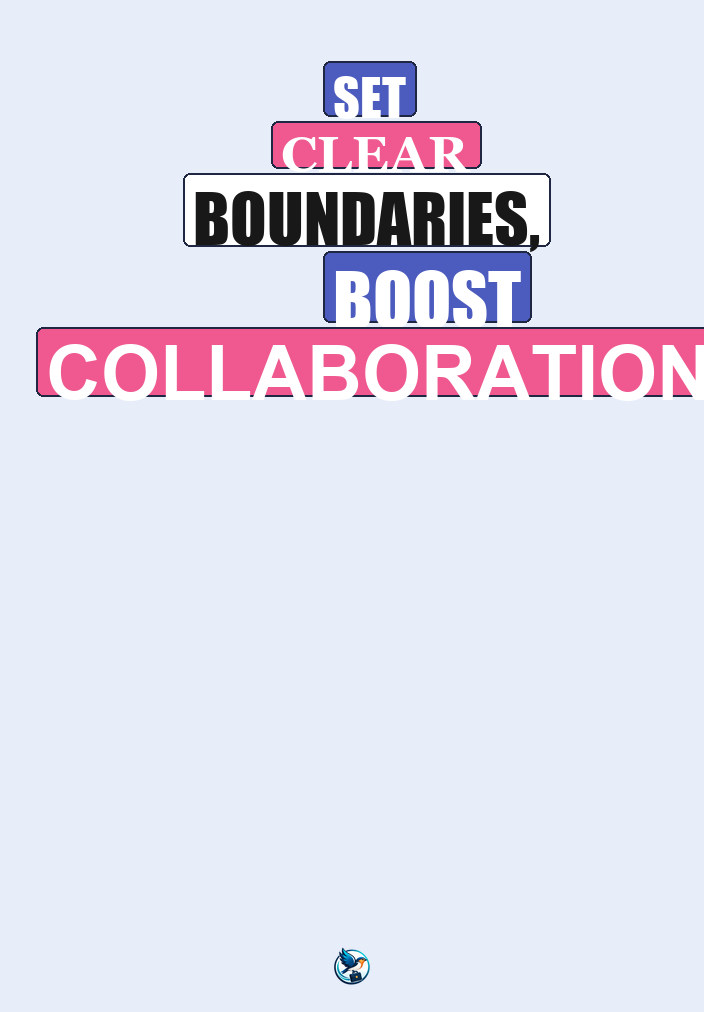
Failure to Set Boundaries
In a collaborative environment, it’s essential to establish boundaries. Without them, tasks can become muddled, and roles may blur.
Consequences of No Boundaries
- Team members may take on too much responsibility, leading to burnout.
- Accountability becomes unclear, making it difficult to track progress.
- Confusion over who is responsible for what can stall progress.
Establishing Boundaries
- Define Roles Clearly: Make sure each team member knows their specific responsibilities. A role assignment matrix can help clarify who does what.
- Encourage Respect for Time: Set boundaries around work hours, especially in remote settings. Encourage team members to respect each other’s off-hours.
- Document Agreements: Keep a shared reference of decisions made in meetings, including who is responsible for follow-ups and deadlines.
Neglecting Feedback and Recognition
Feedback and recognition are crucial in a collaborative environment. Teams often fail to give constructive feedback or acknowledge efforts, which can demotivate members.
Effects of Ignoring Feedback
- Team members may feel their contributions are unappreciated.
- Without feedback, performance stagnates, and mistakes can go uncorrected.
- Lack of recognition can lead to lower engagement levels.
Implementing Feedback Loops
- Establish Regular Feedback Sessions: Create a routine for giving and receiving feedback. This can be done in one-on-one meetings or in group settings.
- Encourage Peer Recognition: Implement a system where team members can recognize each other’s contributions. This could be through shout-outs during meetings or a dedicated space for appreciation.
- Act on Feedback: Show that feedback is valued by acting on it. When team members see changes based on their input, they are more likely to engage positively.
Ignoring Diversity and Inclusion
A diverse team brings various perspectives that can enhance creativity and problem-solving. Ignoring diversity can limit a team’s potential.
Consequences of Neglecting Diversity
- Homogeneous teams may struggle to think outside the box.
- Different viewpoints can lead to more robust solutions when included.
- Failure to embrace diversity can create a culture of exclusion.
Fostering Diversity and Inclusion
- Promote Diverse Hiring Practices: Ensure your team reflects various backgrounds and perspectives. This can lead to richer discussions and innovative solutions.
- Provide Inclusion Training: Offer training sessions that educate team members about the importance of diversity and how to create an inclusive environment.
- Encourage Diverse Perspectives: Actively solicit input from all team members, especially those from underrepresented groups. Create an atmosphere where all voices are heard.
Next Steps for Better Team Collaboration
Improving teamwork requires ongoing effort and commitment. Start by assessing your team’s current dynamics and identifying specific areas for improvement. Implement the strategies discussed in this article, and encourage open dialogue about the team’s collaboration practices.
Remember, teamwork is a skill that can be developed. With the right approach, you can overcome common mistakes and foster a more collaborative and productive environment.