Understanding Work-Life Balance in Career Growth
Achieving your career goals while maintaining a healthy work-life balance is a common challenge many adults face today. The pressure to climb the corporate ladder or secure a better job can often lead to burnout and stress. However, it’s entirely possible to advance your career without sacrificing your personal life. Here’s how.
Define Your Career Goals Clearly
The first step in aligning your career ambitions with your personal life is to define your goals clearly. Vague aspirations often lead to frustration and burnout. Instead, focus on setting specific and measurable objectives.
SMART Goals
Use the SMART criteria to outline your career goals:
- Specific: What exactly do you want to achieve?
- Measurable: How will you measure your progress?
- Achievable: Is the goal realistic, given your current situation?
- Relevant: How does this goal align with your values and long-term plans?
- Time-bound: What is your deadline for achieving this goal?
For example, instead of saying, “I want a better job,” say, “I want to secure a project manager position at a company that values work-life balance within the next six months.” This clarity will guide your actions effectively.
Prioritize Your Tasks and Time
Effective time management is essential for maintaining balance. Prioritize your tasks based on urgency and importance. Use techniques like the Eisenhower Matrix to categorize tasks. This approach helps you focus on what truly matters without overwhelming yourself.
Creating a Daily Schedule
Consider developing a daily schedule that includes:
- Work tasks
- Professional development activities (like online courses or networking)
- Personal time (exercise, family, hobbies)
By scheduling these elements, you ensure that your career growth doesn’t encroach upon your personal life.
Utilize Remote Work Opportunities
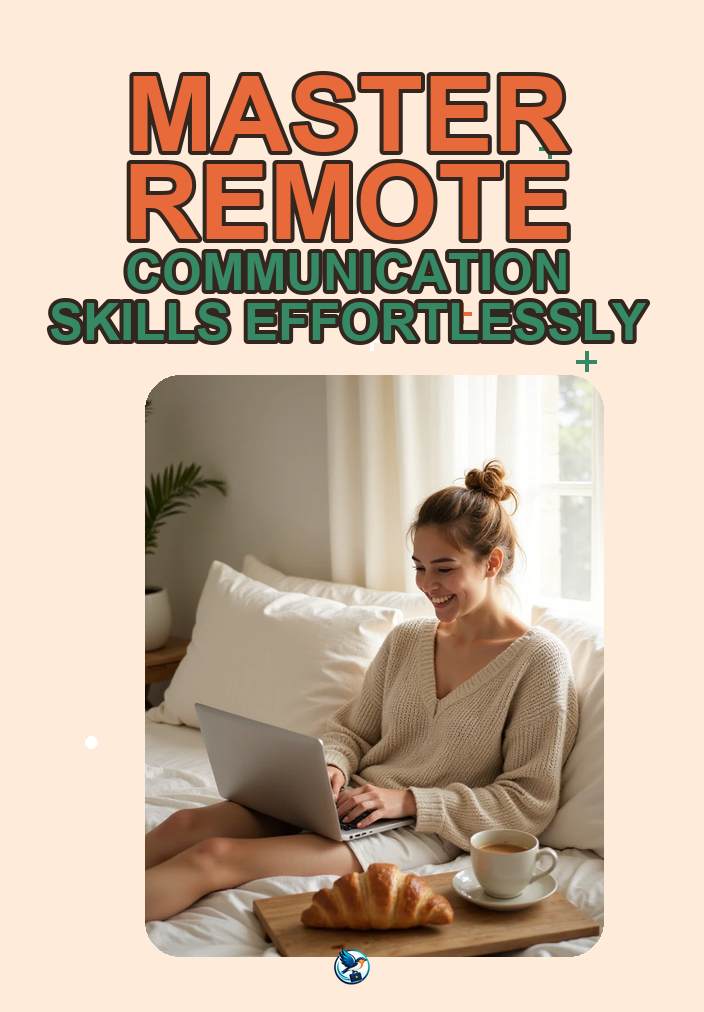
The rise of remote work has created numerous opportunities for career advancement while allowing for more flexibility. If your industry permits, explore remote work options that enable you to manage your time better.
Benefits of Remote Work
Remote work can help you:
- Eliminate commuting time, freeing up hours for personal activities.
- Create a work environment that suits your preferences.
- Balance professional responsibilities with family or personal obligations.
While not every role can be remote, many companies are increasingly open to hybrid models. Don’t hesitate to negotiate for this flexibility when discussing job offers.
Invest in Skill Development
Continuously improving your skills not only makes you more competitive but can also lead to better job opportunities that align with your lifestyle preferences. Dedicate time to training, whether it’s through online courses, workshops, or mentorship programs.
Choose Relevant Skills
Focus on skills that will advance your career in a way that also supports your work-life balance. For example:
- Learning project management can lead to roles that offer flexible scheduling.
- Enhancing digital marketing skills can open doors to freelance opportunities.
Tailor your learning path to fit your career aspirations while considering how these skills can allow for better balance in your life.
Set Boundaries and Communicate
Establishing clear boundaries is crucial for maintaining work-life balance. Communicate these boundaries to your colleagues and supervisors. For instance, let them know your working hours and when you’re available for meetings.
Examples of Boundaries
Examples of boundaries to set include:
- Not checking work emails after a specific time.
- Designating certain days as “no meeting” days to focus on deep work.
- Communicating your availability clearly during work hours.
By setting boundaries, you protect your personal time and reduce stress, making it easier to stay motivated at work.
Leverage Networking Wisely
Networking is a powerful tool for career advancement, but it can sometimes feel overwhelming. Instead of attending every event or connecting with everyone, focus on building meaningful relationships that can help you grow without taking up too much time.
Strategies for Effective Networking
Consider these strategies:
- Attend industry-specific events that align with your career goals.
- Join online forums or groups related to your field.
- Schedule one-on-one coffee chats with individuals who inspire you.
Networking doesn’t have to be a time-consuming task. By focusing on quality over quantity, you can build a strong network that supports your career while respecting your personal time.
Regularly Assess Your Work-Life Balance
Lastly, regularly assess your work-life balance. Take time to reflect on how well you’re managing both aspects of your life. Are you feeling burnt out? Are personal relationships suffering?
Check-in Questions
Consider asking yourself the following:
- Am I dedicating enough time to my personal life?
- Do I feel fulfilled in my career?
- What changes can I make to improve my balance?
By being proactive about assessing your situation, you can make adjustments before issues arise, ensuring that you continue to progress in your career without neglecting your personal life.
Next Steps to Achieve Balance
To achieve your career goals without sacrificing your work-life balance, start by defining your goals using the SMART criteria. Prioritize your tasks, embrace remote work options, invest in skills, set clear boundaries, network wisely, and regularly assess your balance. Taking these practical steps will lead you to a fulfilling career while preserving the essential aspects of your personal life.