Understanding ATS: The Gatekeeper of Job Applications
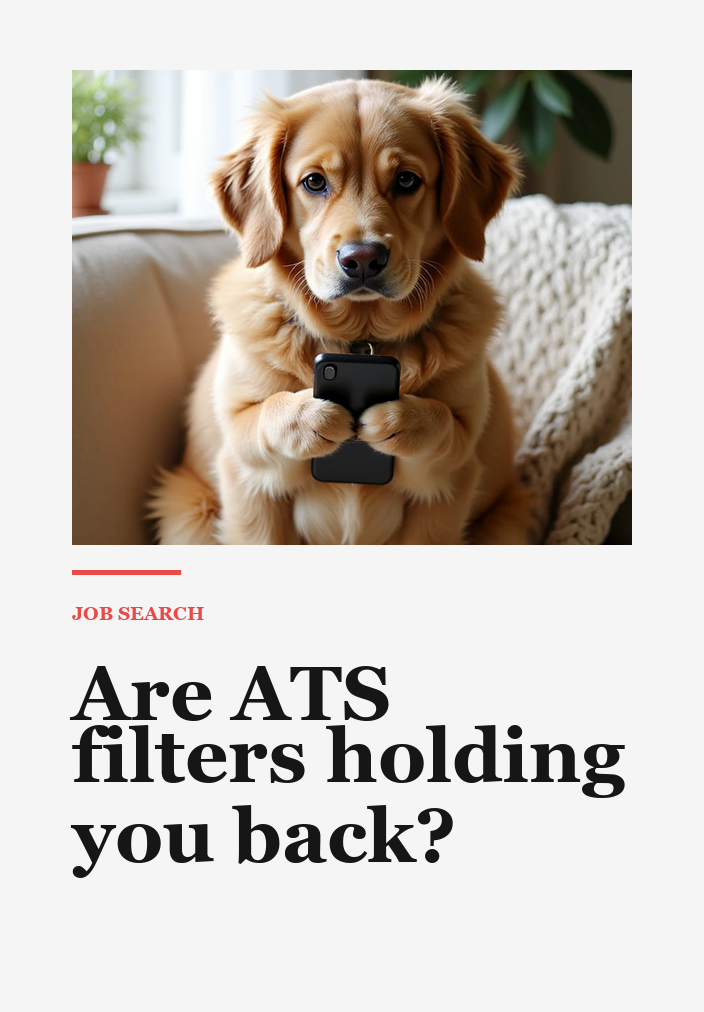
Applicant Tracking Systems (ATS) are the unsung heroes (and villains) of the job application process. Designed to streamline recruitment, ATS software scans and filters resumes before they ever reach human eyes. For job seekers, particularly in competitive tech roles, understanding how to navigate these systems can mean the difference between landing an interview and being lost in the digital void.
How ATS Works: A Brief Overview
At its core, an ATS is programmed to parse resumes for keywords that match job descriptions. It ranks candidates based on how well their resumes align with the criteria set by employers. If your application doesn’t include the right keywords or follows the format the ATS prefers, it might not even make it to the hiring manager.
Key Factors in ATS Functionality
- Keyword Matching: The ATS searches for specific terms related to skills, experiences, and qualifications.
- Formatting: Resumes in complex formats (think graphics or unconventional layouts) can be misread or ignored.
- Relevance: The more closely your experience matches the job description, the higher your resume will rank.
Crafting a Winning Resume for ATS
Now that you understand how ATS works, it’s time to make your resume stand out. Here are some practical steps to tailor your resume effectively:
1. Use Simple Formatting
Keep your resume layout clean and straightforward. Use standard fonts like Arial or Times New Roman, and avoid headers and footers. Stick to traditional section headings like “Experience,” “Education,” and “Skills.” This ensures that the ATS can easily read your information.
2. Optimize for Keywords
Study the job description closely. Identify the keywords and phrases that are repeated or emphasized. These often include:
- Technical skills (e.g., programming languages, software tools)
- Soft skills (e.g., teamwork, problem-solving)
- Certifications and qualifications
Incorporate these terms naturally into your resume, especially in the skills and experience sections.
3. Match Job Titles
If your previous job title was slightly different from the one in the job description, consider adjusting it. For example, if you were a “Software Engineer” but the job title is “Software Developer,” you can use the latter if it accurately reflects your role. Just ensure that it remains truthful to your experience.
4. Highlight Relevant Experience
Rather than listing every job you’ve held, focus on the experiences that are most relevant to the position you are applying for. Use bullet points to outline your responsibilities and achievements, making sure to include metrics where possible. For instance:
- Developed a web application that improved user engagement by 30%.
- Collaborated with cross-functional teams to reduce project turnaround time by 15%.
Fine-Tuning Your Application Materials
Your resume isn’t the only document that needs ATS optimization. The cover letter and even your LinkedIn profile should also be aligned with the same principles. Here’s how:
1. Customize Your Cover Letter
Just like your resume, your cover letter should reflect the job description. Use similar language and keywords, and explain how your past experiences make you a suitable candidate for the job. Highlight specific projects or results that relate directly to the role.
2. Optimize Your LinkedIn Profile
Many recruiters use LinkedIn as a sourcing tool. Ensure your profile aligns with your resume and includes similar keywords. Consider the following:
- Update your headline to reflect your current career aspirations.
- Ensure your summary is engaging and uses relevant keywords.
- Ask for endorsements for specific skills that match the roles you’re pursuing.
Networking: The Human Touch Beyond ATS
While optimizing your resume and cover letter for ATS is crucial, don’t overlook the human aspect of job applications. Networking can help you bypass some of the hurdles created by ATS. Here’s how to make it work for you:
1. Attend Industry Events
Participate in tech meetups, workshops, or webinars. These events can provide opportunities to connect with hiring managers directly. Having a personal connection can sometimes outweigh an ATS filter.
2. Utilize Social Media
Engage with tech communities on platforms like LinkedIn, Twitter, or specialized forums. Share insights, comment on posts, and build relationships. Your online presence can lead to referrals or direct job opportunities.
3. Reach Out to Recruiters
Recruiters often have inside information about job openings. Send them tailored messages expressing your interest in specific roles, along with your optimized resume. This can increase your chances of getting noticed.
Next Steps: Your Action Plan
Overcoming ATS hurdles requires a strategic approach. Start by reviewing your resume and ensuring it meets the outlined criteria. Customize your application materials for each position and engage with your network to increase your chances of getting noticed.
Here’s a quick checklist to get started:
- Revise your resume with a simple format and relevant keywords.
- Craft a tailored cover letter for each application.
- Optimize your LinkedIn profile.
- Engage in networking opportunities.
By taking these steps, you can enhance your visibility and ultimately improve your chances of landing that competitive tech role you desire.