Understanding Employment Gaps: The Basics
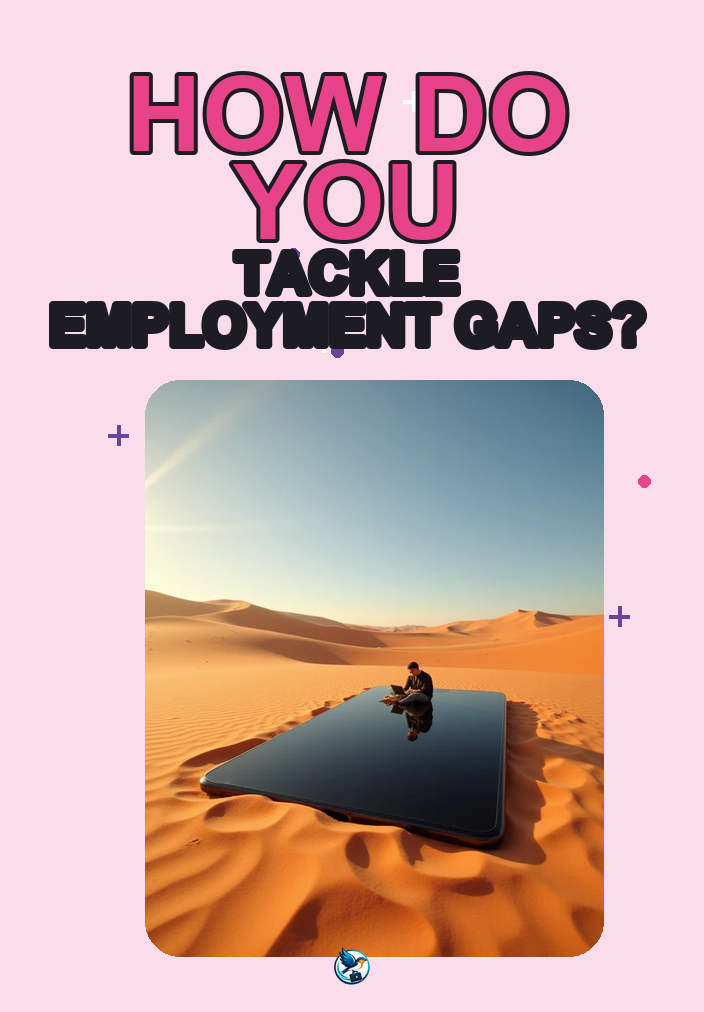
Employment gaps can happen for a variety of reasons—family responsibilities, health issues, pursuing education, or even taking a step back to reassess career goals. While these breaks are common, they can create anxiety when it comes to interviews. The key to addressing an employment gap is to approach it with confidence and clarity.
Own Your Story: Be Prepared to Share
First and foremost, you need to own your career narrative. This means being ready to discuss your employment gap in a way that reflects your skills and motivations. Here are some strategies to consider:
- Be Honest: A straightforward explanation is often the best approach. If you took time off for family reasons, state that clearly. Hiring managers appreciate honesty.
- Focus on Skills: Highlight any skills you developed during your break. Did you volunteer, take an online course, or manage a household? These experiences can be valuable.
- Practice Your Pitch: Prepare a concise explanation that can be delivered confidently. Practice with a friend or in front of a mirror until it feels natural.
Reframe the Gap: Highlighting Value
When discussing your employment gap, reframe it as a period of growth rather than a setback. Here’s how to position your experience positively:
Identify Relevant Experiences
Think critically about what you did during your break. You may have gained skills or experiences that relate directly to the job you’re applying for. For example:
- Volunteering: If you helped organize community events, you developed project management and leadership skills.
- Education: Any courses taken during this time can showcase your commitment to personal and professional growth.
- Freelancing or Consulting: If you took on freelance work, this not only shows you maintained industry engagement but also demonstrates adaptability.
Use the CAR Method
The CAR (Challenge, Action, Result) method can help you articulate your experiences effectively. Here’s how it works:
- Challenge: Describe the situation that led to your employment gap.
- Action: Explain what you did during that time to stay productive or enhance your skills.
- Result: Share any positive outcomes from your actions, such as new skills or insights gained.
Addressing Common Concerns
Employers may have specific concerns about hiring someone with a gap on their resume. Addressing these concerns head-on can help alleviate any doubts they may have.
Show Continuous Learning
Employers are often worried about whether candidates have kept their skills current. Consider the following approaches:
- Online Courses: Mention any relevant courses or certifications you completed during your break.
- Industry News: Talk about how you stayed informed about changes in your field, such as attending webinars or reading industry publications.
Explain the Gap with Confidence
When asked about your gap, respond confidently. For example:
“I took a year off to care for a family member, but during that time, I also completed several online courses in digital marketing, which I am excited to apply in this role.”
Practicing the Conversation: Mock Interviews
Mock interviews can be extremely helpful when preparing to discuss your employment gap. Here’s how to set them up:
- Find a Partner: Ask a friend or family member to conduct a mock interview with you.
- Simulate Real Scenarios: Have them ask typical interview questions, including those about your employment gap.
- Request Feedback: After the mock interview, ask for constructive feedback on your responses and demeanor.
Making Your Resume Work for You
Your resume is another tool to address employment gaps effectively. Here are some tips:
- Functional Format: Consider using a functional resume format that emphasizes skills and experiences rather than chronological job history.
- Include a Summary: Start with a strong summary that highlights your skills and qualifications, helping to divert attention from the gap itself.
- Be Selective with Dates: If the gap is extensive, you might consider using years only instead of months and years.
Next Steps: Building Confidence and Crafting Your Message
Addressing an employment gap in interviews doesn’t have to be daunting. Here are some practical next steps:
- Reflect: Take time to think about what you learned during your gap and how it can apply to future roles.
- Prepare: Draft a brief explanation that highlights your growth and the skills you gained during your break.
- Practice: Engage in mock interviews to build confidence and ease any apprehensions about discussing your gap.
Ultimately, remember that many people have employment gaps, and how you present yours can make all the difference. By owning your story and focusing on the positives, you can turn a potential red flag into a testament to your resilience and adaptability.