Understanding the Remote Job Interview Landscape
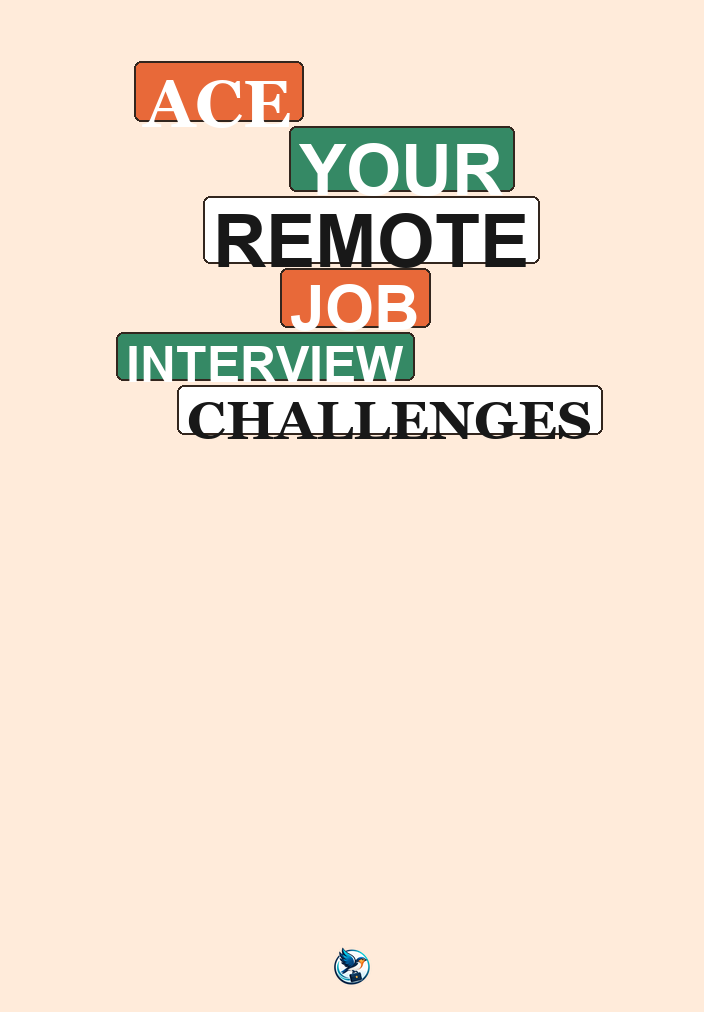
Navigating remote job interviews can be daunting, especially for those just starting their career journeys or transitioning into a new field. The shift to remote work has changed the way interviews are conducted, introducing unique challenges that require different preparation and skills. This article aims to break down common hurdles beginners face and provide effective solutions to help you ace your remote job interviews.
Common Challenges in Remote Job Interviews
Technical Issues
One of the most immediate challenges with remote interviews is the potential for technical difficulties. These can range from poor internet connectivity to software malfunctions. Such issues can disrupt the flow of the interview and create a negative impression.
Unfamiliar Interview Environment
Unlike in-person interviews, remote interviews are conducted from the comfort of your home, which can be both a blessing and a curse. A lack of a formal setting might lead to distractions or an unprofessional appearance, impacting your performance.
Non-Verbal Communication Cues
In face-to-face interviews, body language plays a significant role in communication. However, in a remote setting, it can be challenging to gauge the interviewer’s reactions or convey your own effectively, especially if the video quality is not optimal.
Time Zone Differences
For many remote positions, you may be interviewing with companies located in different time zones. This can complicate scheduling and may also impact your alertness and performance during the interview.
Effective Solutions to Overcome These Challenges
Prepare Your Technology
Before your interview, ensure that your technology is up to par:
- Test Your Equipment: Check your computer, webcam, and microphone to ensure they are functioning correctly. Use a platform that you’re comfortable with and make sure it’s updated.
- Stable Internet Connection: If possible, connect your device directly to the router with an Ethernet cable to avoid Wi-Fi issues. If you must use Wi-Fi, choose a spot with the strongest signal.
- Backup Plan: Have a backup plan in place. This could mean having a phone ready if your video fails, or a different device at hand just in case.
Create a Professional Interview Space
Your environment can have a significant impact on how you present yourself. Here’s how to set up a suitable space:
- Choose a Quiet Location: Find a space that is free from distractions, such as noise from pets, family members, or street traffic.
- Background Matters: Ensure your background is tidy and professional. A plain wall or a neatly organized bookshelf works well.
- Lighting: Natural light is ideal, but if that’s not possible, make sure you have sufficient lighting to avoid looking shadowy or washed out.
Master Non-Verbal Communication
Even though you’re not physically present with the interviewer, body language still matters. Here’s how to enhance your non-verbal communication:
- Eye Contact: Look at the camera when speaking, rather than your screen. This simulates eye contact and makes you appear more engaged.
- Posture: Sit up straight and maintain an open posture. This not only conveys confidence but also keeps you alert.
- Facial Expressions: Smile and nod where appropriate to show you are listening and engaged in the conversation.
Be Mindful of Time Zones
When scheduling your interview, take the time zone into account:
- Confirm the Time: Always double-check the interview time and time zone to avoid confusion.
- Set Reminders: Use calendar applications to set reminders, and consider setting multiple alarms if you’re in a significantly different time zone.
- Practice Timing: If you’re interviewing early in the morning or late at night due to time differences, practice your responses to ensure you’re sharp during the interview.
Practicing for Success
Mock Interviews
Practice can make a world of difference. Consider conducting mock interviews with friends or family:
- Simulate the Environment: Set up a video call and treat it like an actual interview to get comfortable with the format.
- Feedback: Ask for constructive feedback on both your answers and your technical setup.
Research the Company
Understanding the company culture and role is crucial:
- Read the Job Description: Know the key responsibilities and required skills. Tailor your experiences to align with them.
- Company Values: Familiarize yourself with the company’s mission and values. Be prepared to discuss how you fit into that culture.
Final Thoughts and Next Steps
Remote job interviews present unique challenges, but with the right preparation and mindset, you can navigate them effectively. Focus on your technology, create a professional environment, and practice your communication skills. Remember, the goal is to showcase your qualifications while demonstrating your adaptability to a remote work setting.
As you gear up for your next remote interview, consider taking these practical steps:
- Set up a dedicated interview space and test your equipment.
- Practice your responses and non-verbal cues.
- Research the company thoroughly to tailor your answers.
By approaching your remote job interview with confidence and preparation, you’ll be well-equipped to make a lasting impression.