Understanding the Shift: Why Change is Possible in Your 50s
Making a career change in your 50s can feel daunting, but it’s an excellent time to explore unexpected opportunities. Many individuals in this age group have a wealth of experience and skills that can be transferred to new roles. The key is to recognize that your career doesn’t have to be a straight path; it can be a winding road filled with exciting detours.
At this stage of life, you likely have a clearer understanding of what you want and what you don’t want in a job. You may seek a role that aligns more closely with your values, interests, or lifestyle preferences. The good news is that many employers are increasingly valuing the diverse perspectives and experiences that older workers bring to the table.
Identifying Your Transferable Skills
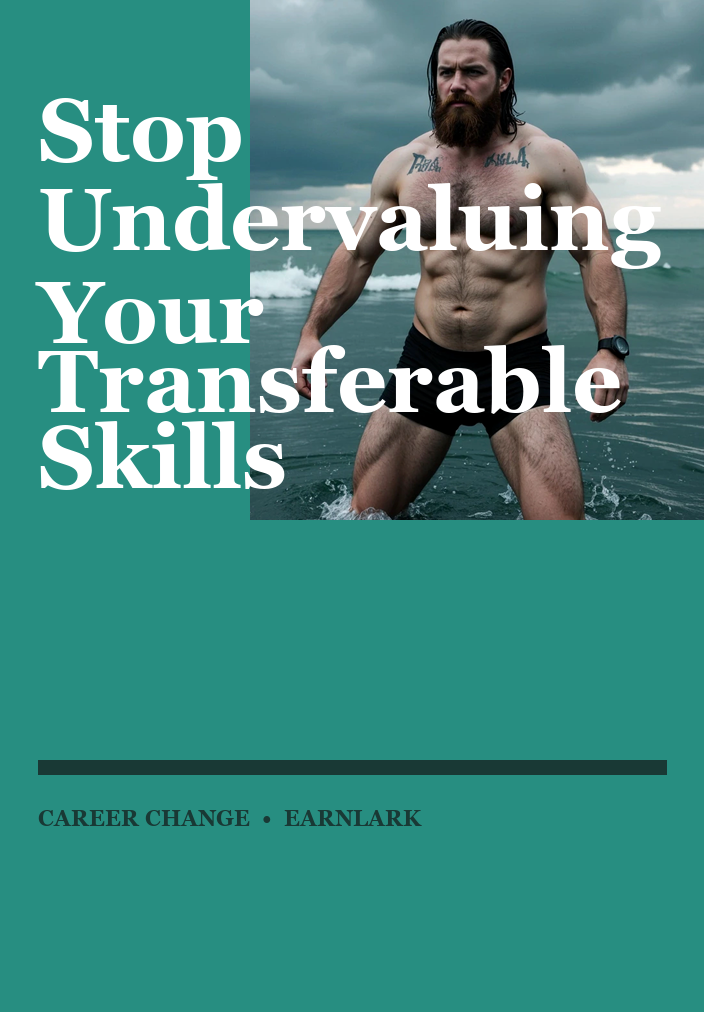
The first step to changing careers is to assess your transferable skills. These are abilities you’ve developed over your work life that can apply to a new job. Here’s how to identify them:
- Reflect on Past Roles: Consider the positions you’ve held and the skills you’ve used. What did you enjoy most? What tasks did you excel at?
- Make a Skills Inventory: Create a list of skills that are relevant across various industries, such as communication, project management, problem-solving, or leadership.
- Seek Feedback: Talk to former colleagues or supervisors for insights into your strengths. Sometimes, others can see your skills more clearly than you can.
Exploring New Fields and Opportunities
Your 50s can be a perfect time to explore fields you may not have considered before. Many industries are looking for experienced individuals, and your background can offer a fresh perspective. Here are some areas to explore:
- Consulting: Use your past experience to help companies improve their processes or solve specific problems.
- Education and Training: Share your knowledge by teaching or mentoring others, whether in formal settings or through community programs.
- Non-Profit Sector: Consider roles that align with causes you care about. Non-profits often value the experience and life skills older workers bring.
- Remote Work Opportunities: Many companies offer remote positions that may align with your skills and provide the flexibility you desire.
Networking: Your Secret Weapon
Networking is crucial when changing careers, especially later in life. Building and leveraging your professional connections can open doors to opportunities you might not find otherwise. Here are some tips:
- Reconnect with Old Contacts: Reach out to former colleagues, mentors, or acquaintances. Let them know you’re considering a change and ask for advice or leads.
- Attend Industry Events: Participate in conferences, workshops, or local meetups in your fields of interest. These can be great places to meet new people and learn about job openings.
- Utilize Social Media: Use platforms to connect with professionals in your desired field. Join groups related to your interests to engage in discussions and share your expertise.
Upskilling for a New Era
As industries evolve, so do the skills required to thrive in them. Upskilling can enhance your employability and confidence. Consider these approaches:
- Online Courses: Many platforms offer courses that can help you learn new technologies or methodologies relevant to your desired field.
- Certifications: Look into certifications that may give you a competitive edge in your new career path.
- Volunteer Work: Gaining experience through volunteering can help you learn new skills while also demonstrating your commitment to potential employers.
Being Open to Change: Embracing the Journey
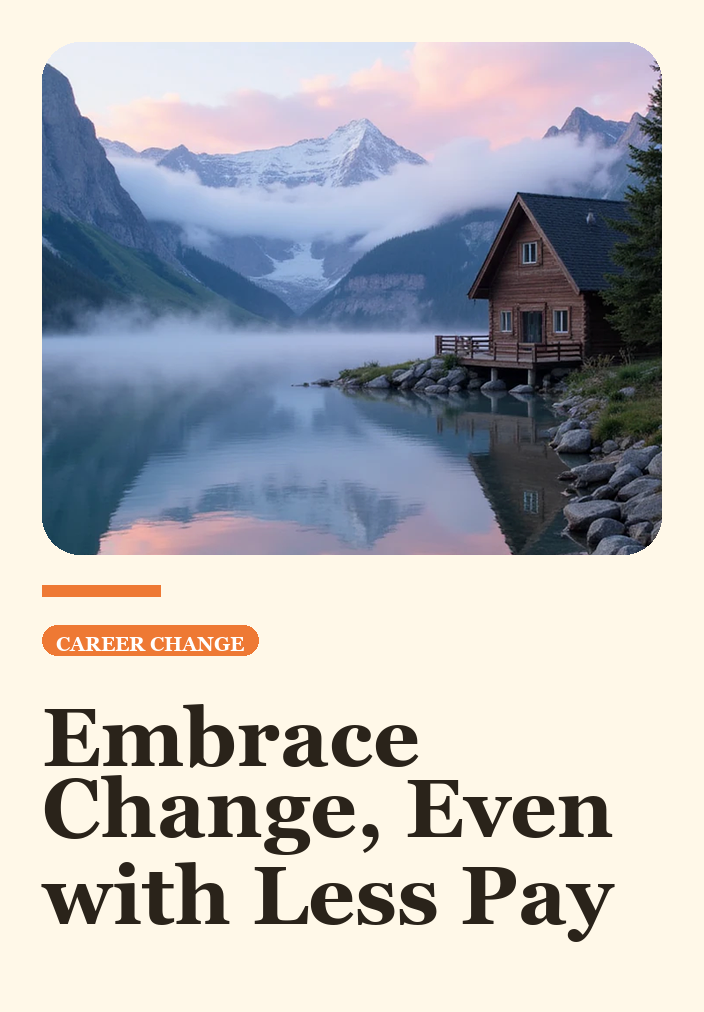
Changing careers is often more about mindset than anything else. Embrace the journey and be open to the possibilities that come your way. Here are some tips to keep in mind:
- Stay Positive: A positive attitude can make a significant difference in how you approach your job search. Focus on what excites you about the change rather than what you might be leaving behind.
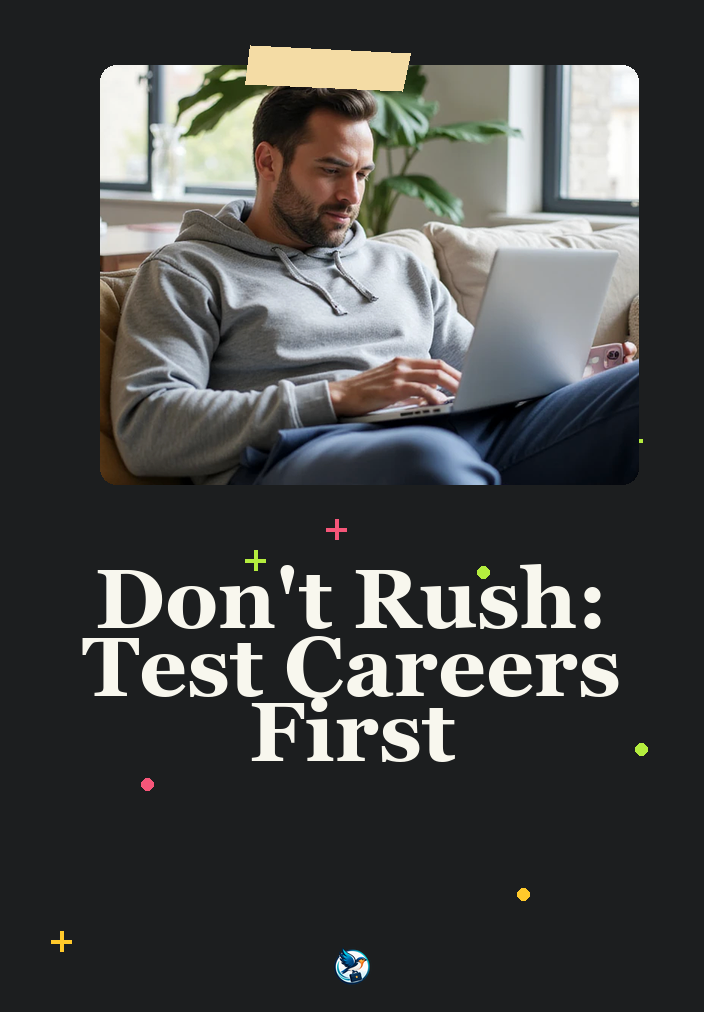
- Be Patient: Career changes can take time. Set realistic expectations for yourself and recognize that each step you take is part of the process.
- Stay Flexible: Be open to opportunities that may not fit your original vision. Sometimes the best roles come from unexpected places.
Next Steps: Taking Action
Now that you have a roadmap for changing careers in your 50s, it’s time to take action. Start by assessing your skills and reaching out to your network. Explore courses or certifications that can bolster your resume. Keep an open mind as you navigate this new chapter and remember: change can be a powerful catalyst for growth.
Life doesn’t stop at 50, and neither should your career aspirations. Embrace this opportunity for reinvention and take the first step toward a fulfilling new path.