Understanding Employment Gaps
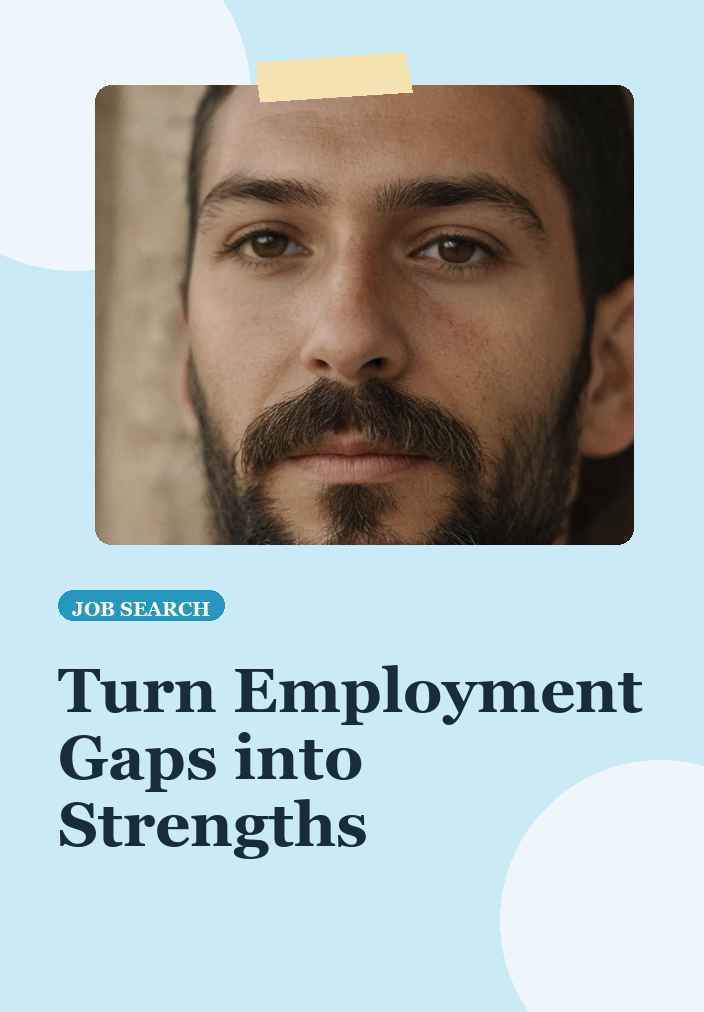
Employment gaps can be daunting, especially when you’re trying to build a career with limited experience. Whether it’s due to personal circumstances, education, or the challenge of entering a new field, acknowledging these gaps is the first step towards addressing them effectively. The good news is that with the right strategies, you can present your experience in a way that minimizes the impact of those gaps.
1. Acknowledge Your Gaps
The first step is to face the employment gap head-on. Ignoring it or hoping it won’t be noticed can backfire. Employers appreciate honesty, and admitting that you have an employment gap can set the stage for a more productive conversation. Here’s how to approach this:
- Be Honest: If asked about your employment history, provide straightforward answers. Explain the reasons for your gap without going into excessive detail.
- Keep It Positive: Frame your explanation in a way that highlights what you learned or how you grew during that time.
2. Highlight Transferable Skills
If you have limited experience, it’s crucial to showcase your transferable skills. These are abilities you’ve developed that can apply to various job roles. Consider the following:
- Soft Skills: Communication, teamwork, and problem-solving are in demand across nearly all industries. Think about situations where you’ve successfully utilized these skills.
- Technical Skills: If you’ve acquired any technical skills, such as proficiency in software or tools relevant to the job you seek, make sure to highlight them.
- Volunteer or Freelance Work: Any unpaid work can be just as valuable as paid experience. If you volunteered or freelanced during your gap, list these experiences to demonstrate your commitment to growth.
3. Create a Functional Resume
A functional resume can help you emphasize skills over chronological work history, making it a suitable format for those with gaps. Focus on the following:
- Skills Section: Place a strong emphasis on the skills you possess relevant to the job.
- Projects and Achievements: Include any projects you completed during your gap that showcase your abilities. This could involve personal projects, volunteer work, or online courses.
4. Leverage Networking
Networking can be a powerful tool in your job search, especially when addressing employment gaps. Here are effective ways to network:
- Reconnect with Contacts: Reach out to former colleagues, mentors, or acquaintances in your desired field. They may know of opportunities or be willing to refer you.
- Attend Industry Events: Participating in webinars, workshops, or local meetups can help you make connections and learn about job openings.
- Utilize Social Media: Platforms like LinkedIn can help you connect with professionals in your industry. Share your skills and aspirations to attract opportunities.
5. Prepare for Interviews
When you get an interview, be ready to discuss your employment gaps confidently. Here’s how to prepare:
- Practice Your Explanation: Formulate a concise and positive explanation for your employment gap. Practice it until you’re comfortable delivering it smoothly.
- Focus on the Future: Redirect the conversation towards what you can bring to the company. Emphasize your eagerness to contribute and your plans for professional development.
- Rehearse Common Questions: Prepare for typical interview questions, and incorporate your skills and experiences into your answers.
6. Consider Further Education or Training
Investing in further education or training can help you bridge the gap in your experience. Consider the following options:
- Online Courses: Websites offer a plethora of courses that can enhance your skills and knowledge in your desired field. Completing relevant courses can also demonstrate your commitment to your career.
- Certificates: Earning a certificate in a specific area can make your resume more attractive and help fill in experience gaps.
- Workshops and Webinars: Participating in workshops can help you build skills while also expanding your network.
7. Emphasize Your Growth Mindset
Employers appreciate candidates who show resilience and a willingness to learn from their experiences. When discussing your employment gaps, emphasize your growth mindset:
- Share Lessons Learned: Talk about how your time away from traditional employment has equipped you with new perspectives or skills.
- Show Enthusiasm: Convey your eagerness to grow and contribute to the organization. Enthusiasm can be contagious and can help you stand out.
Next Steps: Taking Action
Addressing employment gaps when you have limited experience requires a proactive approach. Start by reflecting on your skills and experiences, both paid and unpaid. Create a functional resume that highlights these attributes, and prepare to discuss your gaps honestly and positively in interviews.
Remember, everyone’s career journey is unique, and many people have faced similar challenges. With the right strategies, you can navigate your employment gaps and present yourself as a strong candidate. Take the first step today by reaching out to a contact or enrolling in a course that piques your interest.