Understanding the Core Difference: Freelancing vs. Traditional Employment
When it comes to choosing a career path, especially for adults with limited time, the decision between freelancing and traditional employment can be daunting. Both options have their unique advantages and challenges. By understanding these differences, you can make a more informed choice that aligns with your personal and professional goals.
Freelancing: Flexibility and Autonomy
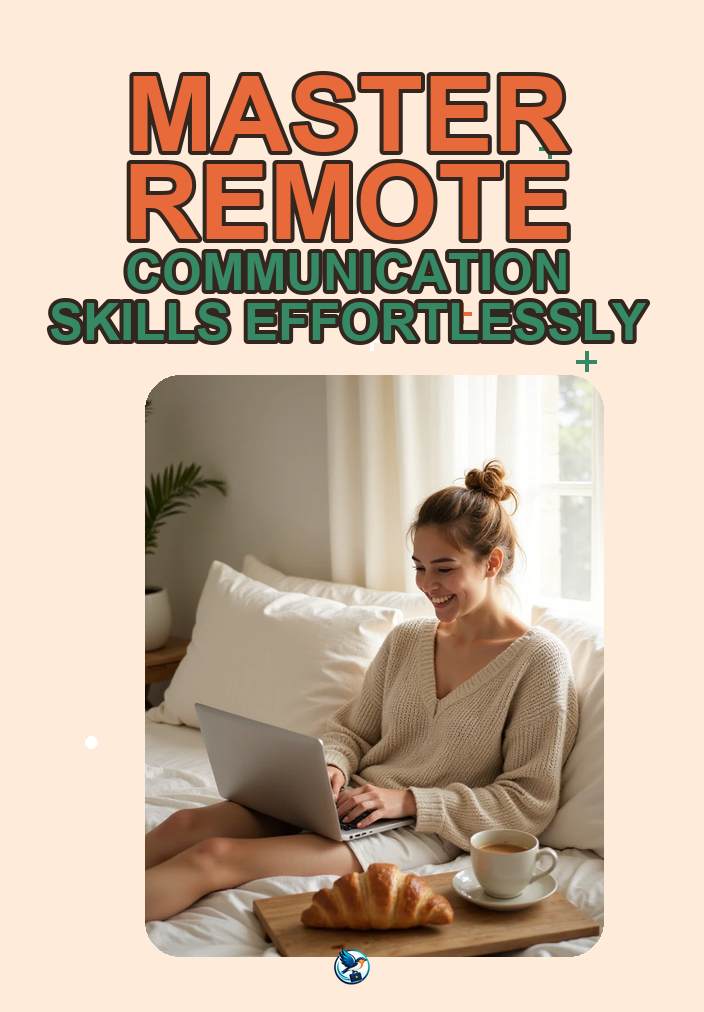
Freelancing offers a level of flexibility that traditional employment typically does not. If you have a busy schedule or personal commitments, freelancing allows you to set your own hours and choose the projects you work on. Here are some key points to consider:
- Time Management: As a freelancer, you can structure your day around your obligations. This can be especially valuable for parents, caregivers, or individuals pursuing further education.
- Variety of Work: Freelancers often have the chance to work on diverse projects, which can be fulfilling and help build a broad skill set.
- Potential Earnings: While income can fluctuate, successful freelancers can potentially earn more than their traditionally employed counterparts, particularly in high-demand fields.
However, freelancing comes with its own set of challenges:
- Inconsistent Income: Unlike a steady paycheck, freelancers rely on finding clients, which can lead to financial uncertainty.
- Self-Discipline Required: You must be proactive in finding work and managing your time effectively to meet deadlines without supervision.
- Benefits and Taxes: Freelancers typically do not receive health insurance or retirement benefits from employers and must handle their own taxes, which can complicate financial planning.
Traditional Employment: Stability and Structure
On the other hand, traditional employment provides a structured work environment. This can be appealing for those who prefer clear expectations and a steady income. Here are some benefits of traditional jobs:
- Consistent Paychecks: Most traditional jobs offer regular salaries, which can simplify budgeting and financial planning.
- Employee Benefits: Many companies provide benefits like health insurance, paid time off, and retirement plans, which can enhance job security and overall well-being.
- Professional Development: Employers often provide training and opportunities for growth within the company, helping you advance your career.
However, traditional employment also has its drawbacks:
- Less Flexibility: Traditional jobs often require you to work specific hours, which can be challenging if you have other commitments.
- Limited Autonomy: You may have less control over the projects you work on and the manner in which you complete your tasks.
- Office Politics: Navigating workplace dynamics can sometimes be challenging and may impact your job satisfaction.
Making the Choice: Key Considerations
Choosing between freelancing and traditional employment ultimately comes down to your personal circumstances and career goals. Here are some practical steps to help you decide:
1. Assess Your Priorities
Consider what matters most to you in your career. Do you value flexibility over stability? Or is a consistent paycheck more important than setting your own hours?
2. Evaluate Your Skills
Identify your skills and how they align with each option. Some fields have a higher demand for freelancers, while others may offer more stable traditional employment opportunities.
3. Analyze Your Financial Situation
Determine how much you need to earn to meet your financial obligations. If freelancing, consider whether you can build a client base that meets your financial needs consistently.
4. Explore Job Markets
Research the current job market in your field. Are there ample freelance opportunities? Or is there a stronger demand for traditional employees?
Real-World Examples of Career Choices
To further illustrate the decision-making process, let’s look at two hypothetical individuals:
Example 1: Sarah, a Graphic Designer
Sarah has a passion for design and has been working in a corporate job for five years. However, she wants more flexibility to care for her young children. After assessing her skills and market demand, she transitions to freelancing. She builds a portfolio, networks with local businesses, and gradually replaces her corporate income while enjoying the freedom of her schedule.
Example 2: John, a Software Developer
John has a steady job at a tech company that offers great benefits and opportunities for advancement. He enjoys the structure and is considering freelancing on the side. However, he realizes that the unpredictable nature of freelance work may conflict with his desire for stability, so he decides to continue focusing on his traditional job while developing his skills through side projects.
Next Steps for Your Career Path
Choosing between freelancing and traditional employment requires careful thought. Here are some actionable next steps:
- Write down your career goals and priorities.
- Research your industry to understand the demand for freelancers versus traditional employees.
- Consider taking on freelance projects alongside your current job to test the waters.
- Network with professionals in both fields to gain insights into their experiences.
- Stay adaptable; your needs and the job market may change over time.
Ultimately, the choice between freelancing and traditional employment depends on your lifestyle, financial needs, and career aspirations. By evaluating your priorities and the opportunities available, you can find a path that suits you best.