Embracing Limited Experience in the Remote Job Market
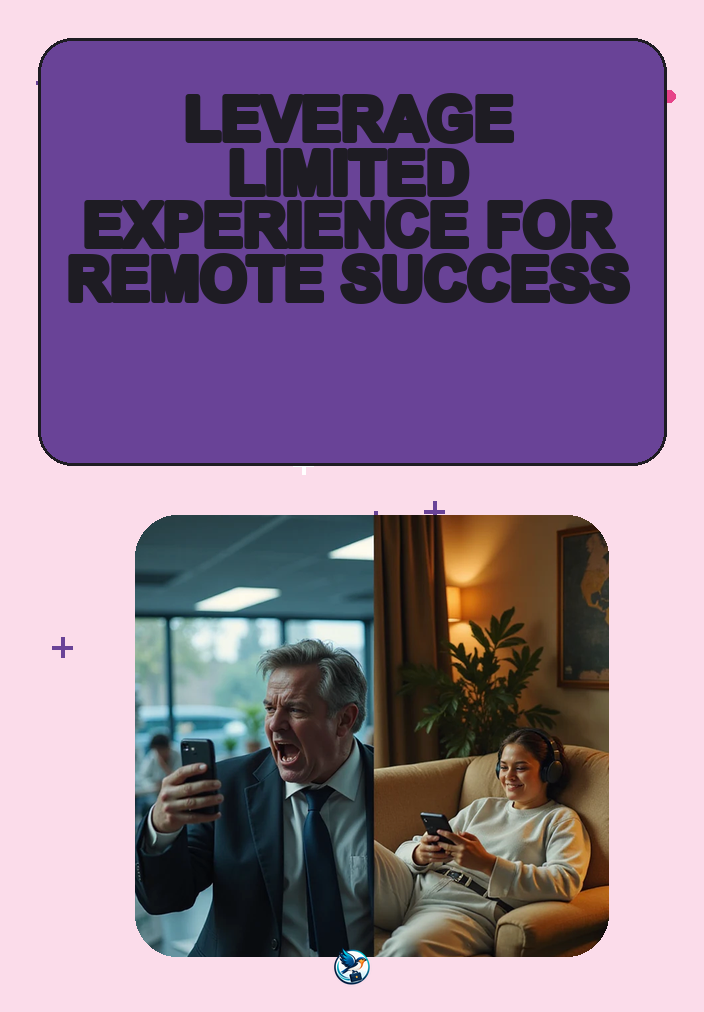
If you’re feeling daunted by the prospect of applying for remote jobs due to limited experience, you’re not alone. Many potential candidates think they need extensive backgrounds to be considered for remote positions. However, having less experience can actually position you as a strong candidate in the remote job landscape. This article will explore why your limited experience may work to your advantage and how you can leverage it in your job search.
Understanding the Remote Work Environment
Remote work has changed the way employers view candidates. Many companies are prioritizing skills over traditional qualifications. This shift means that even if you lack years of experience, your skills, adaptability, and willingness to learn can set you apart.
The Value of Fresh Perspectives
Employers often seek candidates who can bring new ideas and innovative solutions to the table. Limited experience can mean that you are unencumbered by outdated practices. You may approach problems from a different angle than someone with a more traditional background.
- Innovative Thinking: You might be more open to new technologies and methodologies, allowing you to suggest fresh approaches to projects.
- Agility: With fewer preconceived notions about how things should be done, you can adapt quickly to new processes and tools.
Emphasizing Transferable Skills
Even if you haven’t held a specific job title, you likely possess transferable skills that are highly valued in remote work environments. Focus on highlighting these skills in your resume and during interviews.
Identify Your Transferable Skills
Take some time to reflect on your skills from various experiences. Consider both professional and personal backgrounds, including:
- Communication: Remote work relies heavily on clear communication. If you have experience in customer service or team-based projects, emphasize your communication skills.
- Problem-Solving: Highlight instances where you’ve successfully navigated challenges, even in unrelated roles.
- Technical Proficiency: Familiarity with remote work tools (like video conferencing software or project management tools) can be more valuable than years of experience.
Showcasing Your Willingness to Learn
Employers are increasingly looking for candidates who show a passion for continuous learning. Your limited experience can be reframed as an eagerness to grow and adapt.
Ways to Demonstrate Your Learning Mindset
- Online Courses: Consider enrolling in relevant online courses to build your skill set. Certifications can bolster your resume and demonstrate your commitment.
- Networking: Join industry-related groups on social media or professional networks. Engaging with professionals in your desired field can provide insights and learning opportunities.
- Personal Projects: Work on personal or freelance projects that can showcase your abilities. Even small projects can be a testament to your initiative and skill development.
Crafting a Compelling Resume and Cover Letter
Your resume and cover letter are your first opportunities to make an impression. For candidates with limited experience, these documents are crucial for showcasing your strengths and potential.
Tips for Highlighting Your Strengths
- Focus on Skills: Instead of a traditional chronological format, consider a skills-based resume. This allows you to emphasize your strengths upfront.
- Use Action Words: Use dynamic verbs to describe your experiences, even if they are not directly related to the job you’re applying for.
- Tailor Your Application: Customize your resume and cover letter for each job application. Highlight specific skills and experiences that match the job description.
Nailing the Interview Process
The interview process can be intimidating, especially for candidates with limited experience. However, this is an opportunity for you to shine and demonstrate your potential.
Strategies for Success in Interviews
- Prepare Your Story: Be ready to discuss your background and how it has prepared you for the role. Focus on your enthusiasm and willingness to learn.
- Ask Questions: Prepare thoughtful questions about the company culture and expectations for the role. This shows your interest and eagerness to integrate into the team.
- Practice Common Questions: Familiarize yourself with common remote job interview questions. Practice your responses to ensure you communicate confidently.
Next Steps to Enhance Your Remote Job Search
As you embark on your remote job search, keep the following steps in mind:
- Refine Your Resume: Tailor your resume to highlight your transferable skills and learning mindset.
- Engage in Networking: Connect with professionals in your target field through online platforms or industry events.
- Continue Learning: Enroll in relevant courses or gain certifications to enhance your skills.
- Apply Broadly: Don’t limit yourself to positions that match your exact experience. Look for roles that value potential and adaptability.
Remember, your limited experience can be a strength in the remote job market. By focusing on your unique skills, willingness to learn, and innovative thinking, you can position yourself as a compelling candidate. Embrace this opportunity for growth and take the next steps toward your remote career.