Understanding Employment Gaps: What They Are and Why They Matter
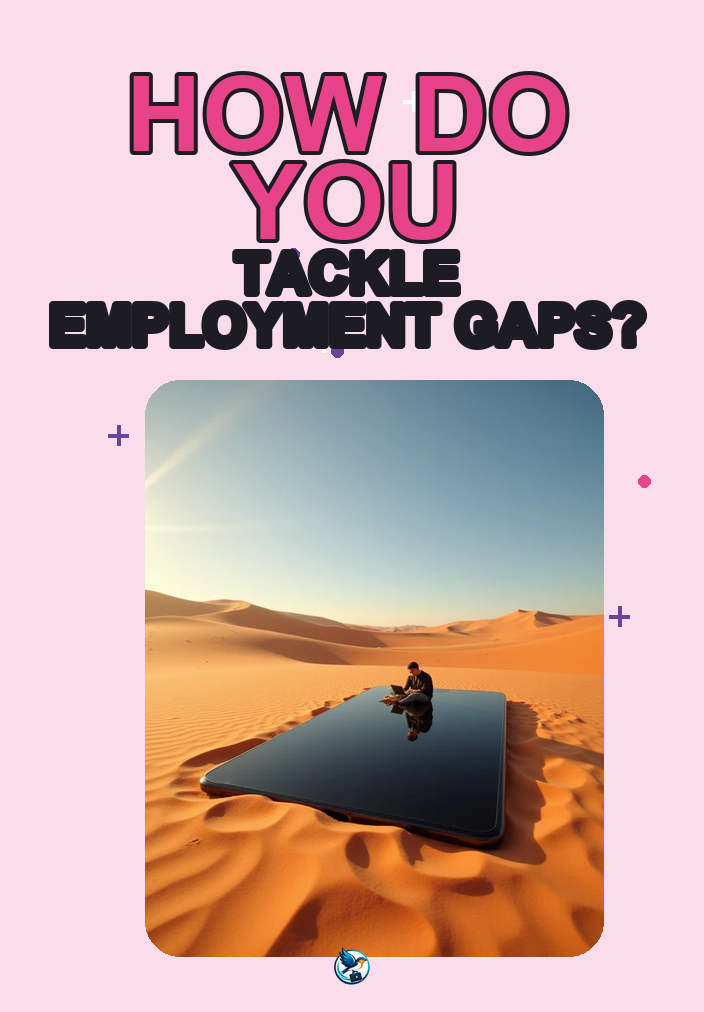
Employment gaps are periods of time when you were not employed, whether voluntarily or due to circumstances beyond your control. They can arise for various reasons: personal issues, family responsibilities, health concerns, job market fluctuations, or even a decision to pursue education or training. While these gaps can appear daunting on a resume, they don’t have to derail your job search.
Addressing employment gaps effectively in interviews is crucial for showcasing your skills and experiences. With the right approach, you can turn potential concerns into opportunities to highlight your resilience and adaptability.
Be Prepared: Acknowledge the Gap
The first step in addressing an employment gap is to acknowledge it. Avoid trying to hide or downplay the time you were not working. Instead, prepare to discuss it openly and honestly. Here’s how:
- Know Your Timeline: Be clear about the timeline of your employment gap. Understand the start and end dates, as well as what you were doing during that time.
- Practice Your Explanation: Develop a concise, straightforward narrative about your gap. Practice this explanation until it feels natural, so you can deliver it with confidence.
- Focus on the Positive: Frame your gap in a positive light. Emphasize any skills you developed, experiences you gained, or challenges you overcame during this time.
Crafting Your Narrative: What to Say in Interviews
Your narrative should be authentic and succinct. Here’s a practical guide to help you construct your explanation:
1. Start with the Truth
Begin with a brief statement about why you were not employed. For example:
“I took time off to care for a family member who was ill.”
2. Highlight What You Did During the Gap
Next, discuss any productive activities during your gap. This could include:
- Freelancing or contract work
- Volunteering or community service
- Taking courses or obtaining certifications
- Networking or attending workshops
For instance, you might say:
“During that time, I volunteered with a local nonprofit and took online courses in project management to enhance my skills.”
3. Connect Back to the Job
Finally, tie your experience back to the position you’re applying for. Make it clear that you’re ready and motivated to contribute. For example:
“This experience helped me develop my time management skills and reignited my passion for the field, which I’m excited to bring to this role.”
Anticipating Questions: Common Concerns Employers May Have
Employers may have specific concerns about employment gaps that you can proactively address. Here are some common questions and how to prepare for them:
1. Why were you out of work for so long?
Prepare to explain your situation honestly while maintaining a focus on your readiness to return to work.
2. How have you kept your skills current?
Discuss any relevant training, volunteer work, or freelance projects that showcase your continued professional development.
3. Are you committed to this role long-term?
Reassure them of your commitment by sharing your enthusiasm for the role and the company, emphasizing your desire for stability moving forward.
Utilizing Your Resume to Address Gaps
Your resume is the first impression you’ll make, so it’s essential to format it strategically to minimize the impact of employment gaps. Here are some tips:
- Use a Functional Resume: This format focuses on skills and experiences rather than chronological work history, allowing you to highlight your strengths without drawing attention to gaps.
- Group Similar Experiences: If you had multiple short-term jobs or freelance work during your gap, group them together under a single heading like “Consulting Experience” to streamline your work history.
- Include Relevant Skills: Focus on skills that are directly related to the job you’re applying for. This shifts the focus from gaps to what you can bring to the table.
Practicing for the Interview: Role-Playing and Feedback
Preparation is key. Consider doing mock interviews with a friend or mentor to practice discussing your employment gap. Here are some steps to follow:
- Set Up a Mock Interview: Choose someone you trust to role-play as the interviewer.
- Ask for Feedback: After your practice session, solicit constructive feedback on your delivery and content.
- Refine Your Approach: Use the feedback to tweak your narrative and practice until you feel comfortable.
Next Steps: Moving Forward with Confidence
Addressing employment gaps in interviews doesn’t have to be a hurdle. By preparing a thoughtful narrative, practicing your delivery, and utilizing your resume strategically, you can present yourself as a strong candidate ready to contribute. Remember, everyone’s career path is unique, and employers appreciate honesty and resilience.
As you prepare for your next interview, keep these strategies in mind:
- Be open and honest about your gap.
- Highlight what you learned or accomplished during that time.
- Stay focused on your enthusiasm for the role and how you can add value to the company.
With the right preparation, you can effectively address employment gaps and move toward a fulfilling career.