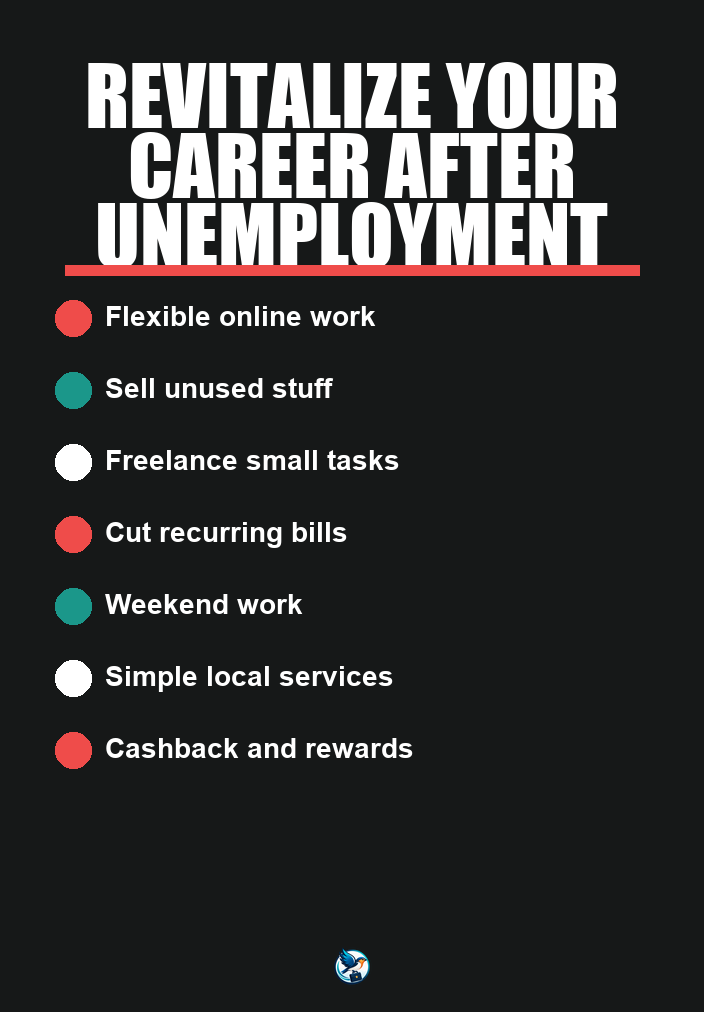
Understanding the Landscape: Assessing Your Situation
After a period of unemployment, it’s crucial to take stock of where you are and where you want to go. Begin by reflecting on your previous job experiences, skills, and what you truly want from your next role.
Self-Assessment
- Identify Your Skills: Make a list of your hard and soft skills. Hard skills include specific technical or job-related abilities, while soft skills encompass interpersonal skills like communication and teamwork.
- Reflect on Past Jobs: What did you enjoy and dislike? Understanding this can help guide your next steps.
- Set Goals: Define what you want from your next position. Is it higher pay, better work-life balance, or a new industry altogether?
Updating Your Professional Toolkit
Once you have a clearer idea of your goals, it’s time to refresh your tools. This includes your resume, online profiles, and more.
Revamping Your Resume
- Tailor Your Resume: Adjust your resume for each application to highlight relevant experiences and skills. Use keywords from the job description.
- Focus on Achievements: Instead of listing duties, highlight what you accomplished in each role. Use metrics when possible, such as “increased sales by 20%.”
Enhancing Your Online Presence
- Update Your LinkedIn Profile: Ensure your profile is complete and reflects your current career aspirations. Engage with relevant content to increase visibility.
- Consider a Personal Website: If applicable, showcase your portfolio or personal projects that demonstrate your skills.
Navigating the Job Market
With your toolkit updated, it’s time to dive into the job market. Knowing where and how to search can make a significant difference.
Job Search Strategies
- Use Job Boards Wisely: Focus on reputable job boards that specialize in your field. Set up job alerts to be notified of new postings.
- Network: Leverage your existing contacts and reach out to new ones. Attend industry events, both in-person and virtual, to meet potential employers and peers.
- Informational Interviews: Consider reaching out to professionals in roles or industries you’re interested in. These conversations can provide valuable insights and sometimes lead to job opportunities.
Preparing for Interviews
Interviews can be intimidating, especially after a gap in employment. Preparation is key to building confidence.
Interview Preparation Checklist
- Research the Company: Understand their mission, values, and recent news. This will help you tailor your responses and show genuine interest.
- Practice Common Questions: Prepare answers for typical interview questions such as “Tell me about yourself” and “What are your strengths and weaknesses?”
- Prepare Questions: Have thoughtful questions ready to ask the interviewer. This shows your interest and helps you gauge if the company is a good fit for you.
Upskilling and Continuous Learning
Consider investing in yourself by learning new skills or enhancing existing ones. Continuous learning can make you a more attractive candidate.
Finding Educational Resources
- Online Courses: Explore platforms that offer courses relevant to your field. Focus on skills that are in high demand, such as digital marketing or coding.
- Certifications: Earning a certification can help you stand out. Research which certifications are respected in your desired industry.
Managing Your Mental Well-Being
Unemployment can take a toll on your mental health. It’s essential to take care of yourself during this time.
Self-Care Strategies
- Establish a Routine: Create a daily schedule that includes job searching, learning, and self-care activities.
- Stay Connected: Reach out to friends and family for support. Sharing your feelings can lighten the emotional load.
- Limit Job Search Time: Set boundaries for how long you’ll spend searching for jobs each day to avoid burnout.
Next Steps: Putting Your Plan into Action
Rebuilding your job search after a period of unemployment can feel daunting, but with a structured approach, you can navigate this transition successfully. Start by assessing your situation, updating your professional toolkit, and engaging with the job market. Remember to manage your mental health throughout the process.
Take a moment to prioritize your next steps: Choose a specific skill to learn, revise your resume, or reach out to a contact in your network. The key is to take actionable steps every day, no matter how small.