Understanding Employment Gaps
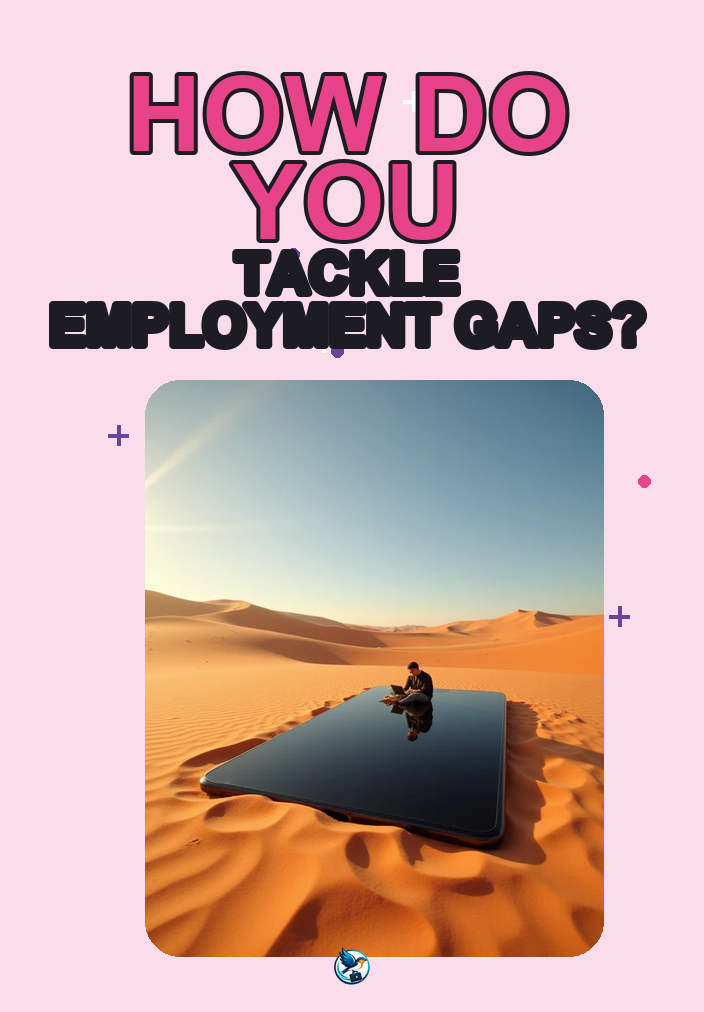
Employment gaps can happen for a variety of reasons—personal circumstances, health issues, pursuing education, or even the challenges of a shifting job market. When it comes to interviews, addressing these gaps effectively can be the difference between landing the job and leaving the interviewer with lingering doubts. This article will guide you through how to handle interview questions about employment gaps with confidence and clarity.
Be Prepared to Discuss Your Employment Gap
Before you even step foot into the interview room, it’s essential to prepare for questions about your employment gap. Interviewers are likely to ask about it, so having a clear, concise, and honest explanation ready will alleviate potential concerns.
Reflect on Your Experiences
Start by taking a deep dive into the reasons behind your employment gap. Understanding your own story will help you articulate it better. Here are some common scenarios to consider:
- Health Issues: If you took time off for medical reasons, it’s okay to mention this briefly, focusing on your recovery and readiness to re-enter the workforce.
- Caregiving Responsibilities: If you were caring for a family member, explain how this experience enhanced your skills—like multitasking and time management.
- Further Education: If you pursued additional training or education, highlight how this has made you a stronger candidate for the position.
- Job Market Challenges: If you were affected by layoffs or a tough job market, explain your proactive steps during that time, such as networking or skill development.
Crafting Your Response
When you’re asked about your employment gap, aim for a response that is honest yet strategic. Follow these steps to craft your answer:
1. Acknowledge the Gap
Start by addressing the gap directly. You don’t need to go into extensive detail; a simple acknowledgment sets a transparent tone.
2. Explain the Context
Provide context for your gap. Share your story briefly, focusing on how you used that time productively. For instance:
"I took a year off to care for my ailing parent, which allowed me to develop my skills in organization and time management."
3. Highlight Your Growth
Next, pivot to how this experience has positively influenced your professional development. For example:
"This experience not only taught me patience but also reinforced my commitment to returning to the workforce with a fresh perspective and renewed energy."
4. Connect to the Role
Finally, tie your experiences back to the role you’re interviewing for. Emphasize how your past experiences will make you a valuable asset. You might say:
"I believe the skills I honed during that period will allow me to contribute positively to your team, particularly in managing projects effectively under pressure."
Practice Makes Perfect
Once you have your response crafted, practice it. Try rehearsing in front of a mirror or with a friend. The more comfortable you become with your answer, the more natural it will sound during the interview.
Handling Follow-Up Questions
Be prepared for follow-up questions, as interviewers may want to dig deeper. Here are some common follow-ups and how to address them:
- “What have you done during your gap to stay connected to your industry?” Talk about any online courses, networking events, or volunteer work you engaged in.
- “How do you plan to catch up on any skills you may have missed?” Explain your plans for ongoing education or professional development.
- “Can you provide examples of how you maintained your skills?” Share any freelance work, projects, or relevant activities that demonstrate your commitment to staying current in your field.
Maintaining Confidence in Your Narrative
Remember that employment gaps are more common than you think. Many people face similar situations, and employers are often more understanding than you might expect. Your ability to discuss your gap confidently can actually work in your favor, showcasing your resilience and adaptability.
Next Steps
As you prepare for interviews, keep these tips in mind:
- Reflect on your experiences and craft a concise narrative.
- Practice your response until it feels natural.
- Be ready for follow-up questions and have thoughtful answers prepared.
- Stay confident in your journey—everyone’s career path is unique.
With the right preparation, you can turn your employment gap from a potential red flag into a testament to your growth and determination. Good luck!