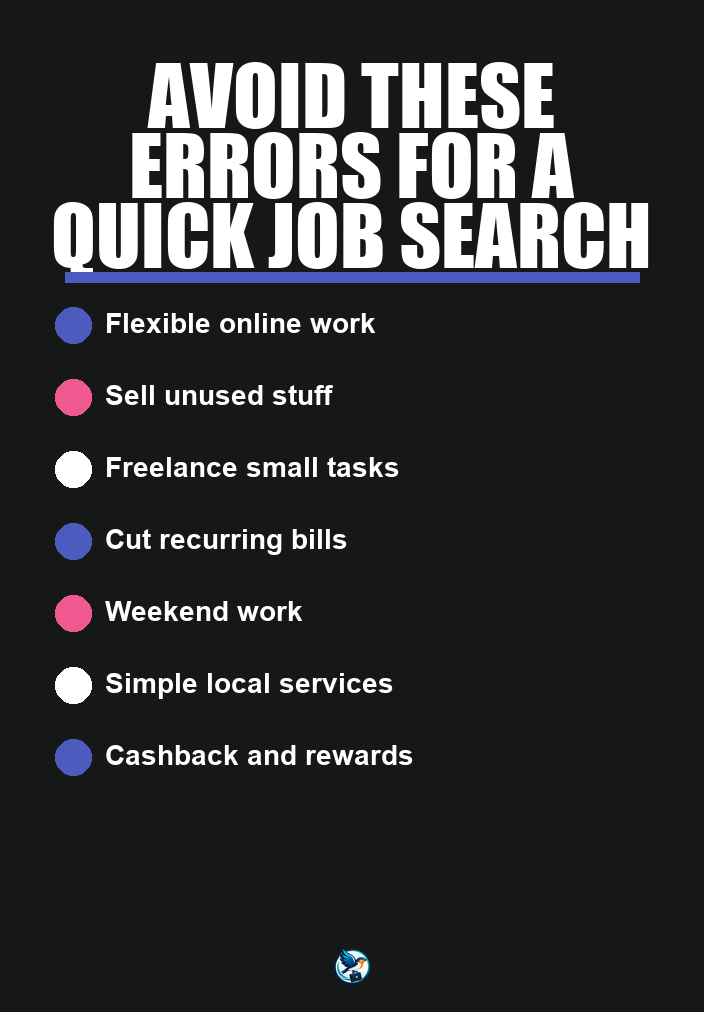

Understanding the Landscape of Low Pay
Many adults find themselves in jobs that don’t pay enough to support their financial goals or lifestyle. Whether it’s due to a lack of experience, industry standards, or economic conditions, low pay can be a significant barrier to career satisfaction. However, it’s possible to overcome this challenge and land higher-paying jobs with some effective strategies.
Assessing Your Current Situation
Before making any changes, take a close look at your current job situation. Understanding why you’re earning low pay is the first step toward improvement.
Identify Your Skills and Experience
Make an inventory of your skills, education, and experience. Consider the following:
- What qualifications do you have?
- What skills are in demand in your industry?
- Are there skills you need to develop to qualify for higher-paying positions?
Sometimes, the difference between a low-paying job and a higher-paying one is merely a specific skill set that employers are looking for.
Research Salary Ranges
Knowing what others in your field earn can help you negotiate better. Use salary comparison tools to check:
- The average salary for your role in your geographic area.
- What similar roles are paying in other companies.
- Salary trends in your industry.
This information can empower you to seek out better opportunities or negotiate your current salary.
Networking: Your Key to Better Opportunities
In many cases, who you know can be just as important as what you know. Building a strong professional network can open doors to higher-paying jobs.
Join Professional Organizations
Consider joining industry-specific groups that can provide valuable connections and resources. These organizations often hold networking events, workshops, and seminars that can help you meet influential people in your field.
Use Social Media Wisely
Platforms like LinkedIn can be powerful tools for networking. Here’s how to optimize your profile:
- Highlight your skills and achievements.
- Engage with industry-related content.
- Connect with recruiters and hiring managers.
A robust online presence can increase your visibility to potential employers.
Upskilling and Reskilling for Higher Pay
Investing in your education and skills can significantly boost your earning potential. Here are practical steps to take:
Identify In-Demand Skills
Research what skills are currently in demand in your field. Some industries are more competitive and may require specialized knowledge. Consider:
- Technical skills (like coding or data analysis).
- Soft skills (like project management or communication).
- Certifications that can enhance your qualifications.
Take Advantage of Online Learning
There are numerous platforms offering courses that can help you learn new skills at your own pace. Many are affordable or even free. Consider:
- Online courses related to your current job.
- Free resources like webinars or tutorials.
- Learning new technologies or software that are essential in your industry.
Tailoring Your Job Search Strategy
Finding a higher-paying job requires a focused and strategic approach. Here are steps to enhance your job search:
Customize Your Resume and Cover Letter
When applying for jobs, tailor your resume and cover letter to match the job description. Highlight your relevant experience and skills that align with what the employer is seeking. Use strong action verbs and quantify your achievements.
Target Companies with Competitive Pay
Not all companies have the same pay structures. Research organizations known for offering competitive salaries. Look for:
- Companies with good reputations for employee compensation.
- Industries that are thriving and expanding.
- Startups that may offer equity alongside salary.
Mastering the Art of Negotiation
Once you land an interview, being able to negotiate effectively can make a significant difference in your pay. Here’s how to approach this:
Know Your Worth
Before entering negotiations, ensure you have a solid understanding of your worth based on your research. Have a salary range in mind that reflects your skills and experience.
Practice Your Pitch
Rehearse what you plan to say during the negotiation. Be confident and clear about your expectations. Use data and examples to justify your salary request.
Exploring Alternative Income Streams
If you’re still struggling to find a higher-paying job, consider supplementary income options. Here are some ideas:
- Freelancing or consulting in your area of expertise.
- Starting a side business based on your skills or hobbies.
- Investing in programs that allow you to earn passive income.
Diversifying your income can provide a financial cushion while you search for a better-paying job.
Next Steps for Your Career Growth
Overcoming low pay requires a proactive approach and a willingness to adapt. Start by assessing your current skills and researching salary expectations. Network effectively and consider upskilling to make yourself more marketable. Tailor your job search strategy and don’t shy away from negotiating your worth.
By taking these steps, you can work toward landing a higher-paying job that aligns with your financial goals and career aspirations. Remember, the journey may take time, but with persistence and the right strategies, you can achieve a more fulfilling career.