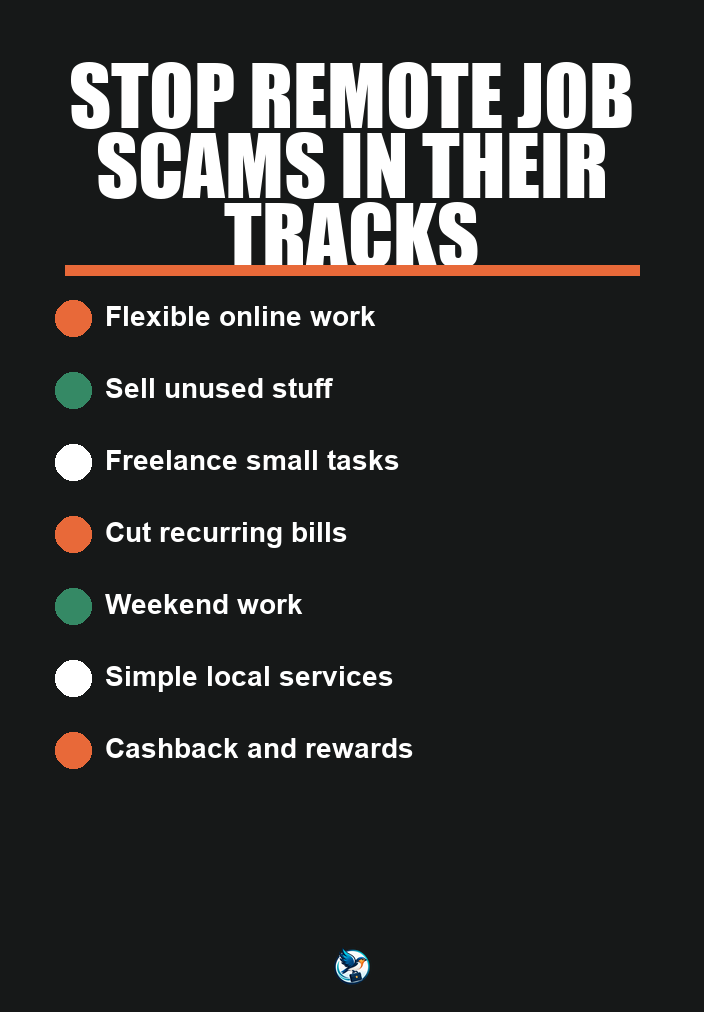
Understanding Remote Job Scams: The Basics
As remote work becomes more popular, the number of job scams has surged. These scams often target individuals seeking flexible work arrangements, promising high salaries for minimal effort. To navigate this landscape safely, it’s crucial to understand the common types of remote job scams and how to identify them before applying.
Common Types of Remote Job Scams
Scams can appear in various forms, and knowing what to look for can save you time and money. Here are some prevalent types:
- Fake Job Listings: Scammers create fake job postings on legitimate job boards that lead to phishing attempts or requests for personal information.
- Too-Good-To-Be-True Offers: If a job promises a high salary for minimal work, it’s likely a scam. Research typical compensation for the role to gauge legitimacy.
- Advance Fee Scams: Some scams require you to pay upfront for training, equipment, or other costs, often with the promise of reimbursement later.
- Work-from-Home Kits: Scammers may ask you to purchase a kit to start working from home, but these kits often contain little to no value.
Identifying Red Flags in Job Postings
Before you apply for any remote position, scrutinize the job posting for red flags. Here are key indicators to watch out for:
Lack of Company Information
A legitimate company will provide clear details about its operations and culture. If the job posting lacks a company name, website, or contact information, proceed with caution.
Generic Job Descriptions
Be wary of vague job descriptions that could apply to any position. Legitimate postings usually outline specific responsibilities and qualifications.
Unprofessional Language
Spelling and grammar mistakes are common in scam postings. If the job description reads poorly or seems hastily written, it’s a potential red flag.
Conducting Background Checks
Once you have a job in mind, it’s time to do your homework. Researching the company thoroughly can reveal a lot about its legitimacy.
Company Website
Visit the company’s official website. Look for:
- Contact information, including a physical address and phone number.
- Employee testimonials and reviews.
- A clear explanation of services and products offered.
- Recent news or updates that indicate a reputable operation.
Online Reviews and Reputation
Check platforms that aggregate employee reviews to see what past and current employees say about the company. Websites dedicated to job reviews can provide insights into workplace culture and any known scams associated with the company.
Social Media Presence
A legitimate company often maintains an active presence on social media. Look for regular updates, employee engagement, and interactions with customers. If the company has no social media presence or a poorly maintained one, it could be a warning sign.
Verification Steps Before Applying
Verify job postings before submitting your application. Follow these steps to protect yourself:
Check Job Boards and Company Listings
Use reputable job boards to see if the posting appears elsewhere. If the job is legitimate, it should have consistent information across various platforms.
Reach Out to Current Employees
If possible, connect with current or former employees on professional networking sites. Ask about their experiences and the legitimacy of the job posting.
Trust Your Instincts
If something feels off about an opportunity, trust your gut feelings. It’s better to miss a potentially good job than to fall victim to a scam.
What to Do If You Encounter a Scam
If you suspect you’ve encountered a job scam, take the following actions:
- Do Not Provide Personal Information: Avoid sharing sensitive information such as your Social Security number or bank details.
- Report the Scam: Report the job listing to the job board or platform where you found it, as well as local authorities, to help prevent others from being scammed.
- Educate Others: Share your experience with friends or on social media to raise awareness about the scam.
Next Steps: Protecting Yourself in Your Job Search
As remote work continues to grow, so will the prevalence of job scams. To protect yourself:
- Stay informed about the latest scams and tactics used by fraudsters.
- Network with professionals in your field to gain insights into reputable companies.
- Utilize resources that offer tips on identifying and avoiding job scams.
By staying vigilant and informed, you can navigate the remote job market more safely and effectively. Good luck with your job search!